Fixing Plastic Components
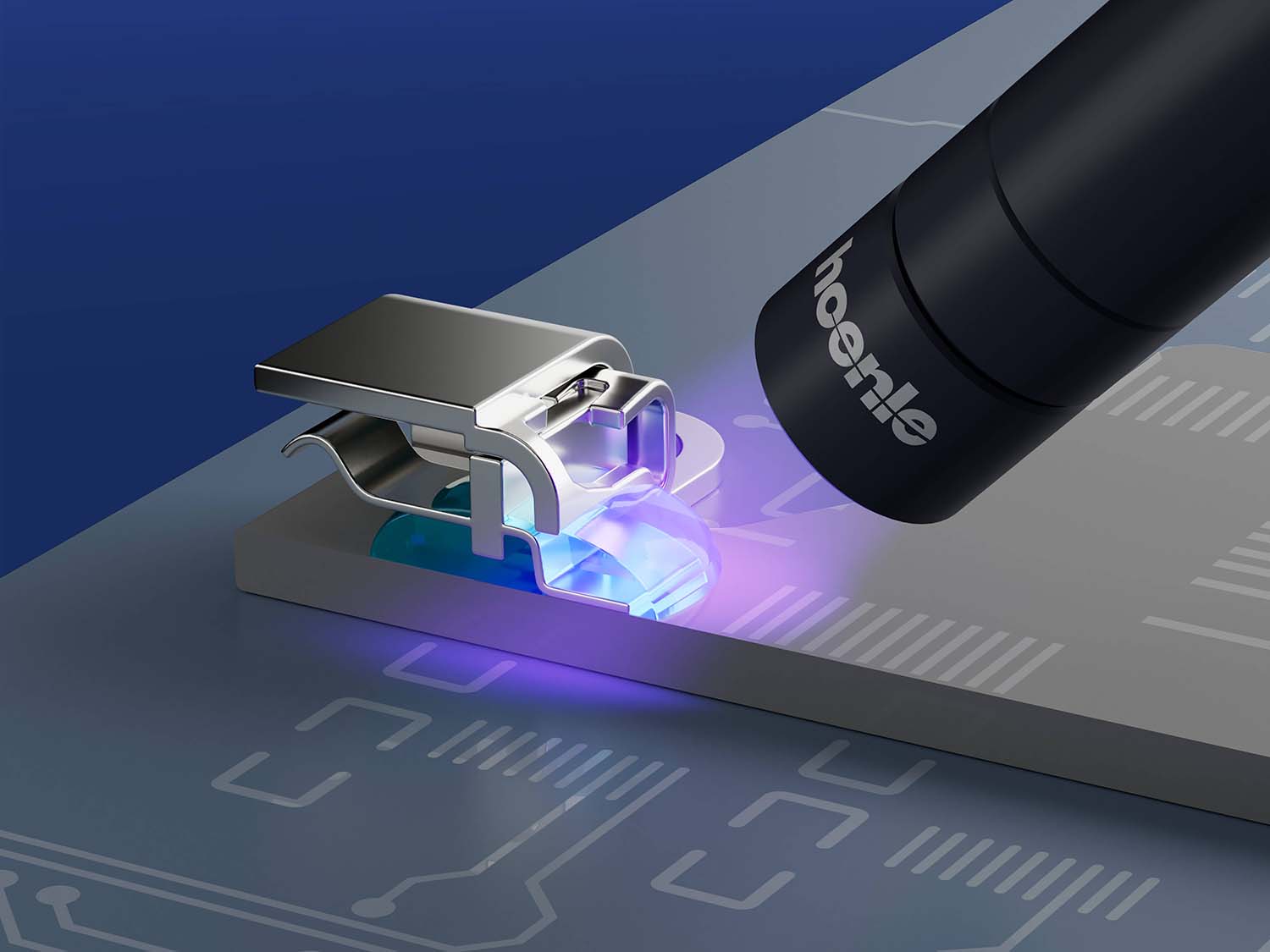
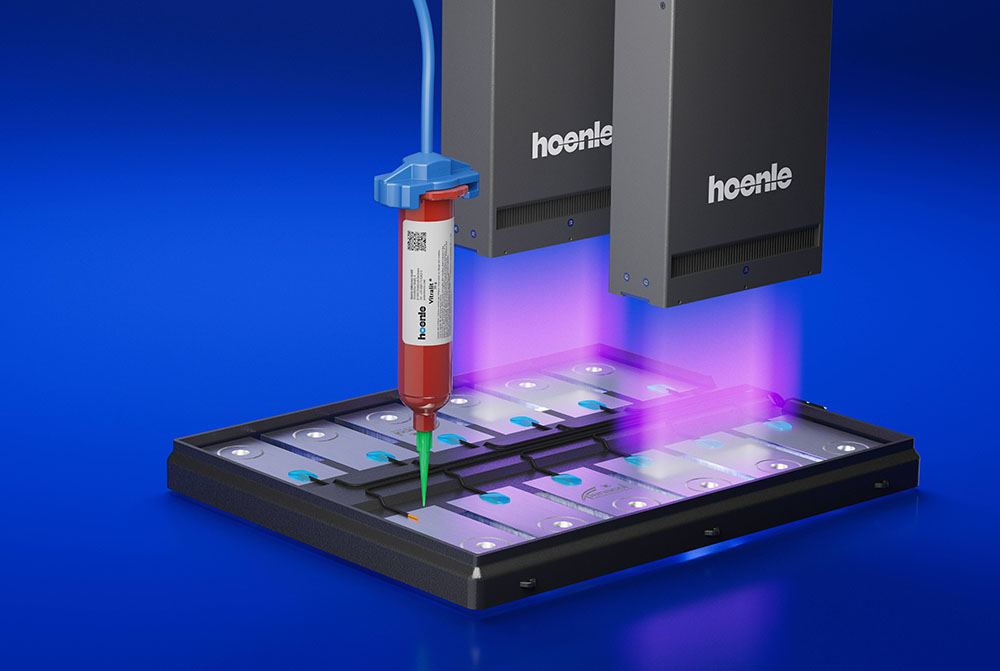
Plastic components are often held in place with adhesives to prevent their sliding out of place during further processing. Especially acrylic-based products adhere well to many plastics. They have a reinforcing and supporting effect to dissipate loads and reduce stresses. Acrylates have the added advantage of curing very quickly under UV light, thereby speeding up processing times to allow higher production volumes. Epoxy adhesives, which also cure quickly under UV light, are resistant to higher temperatures. Cyanacrylates are used for bonding UV-blocked or light impermeable substrates, as they are self-curing at room temperature.
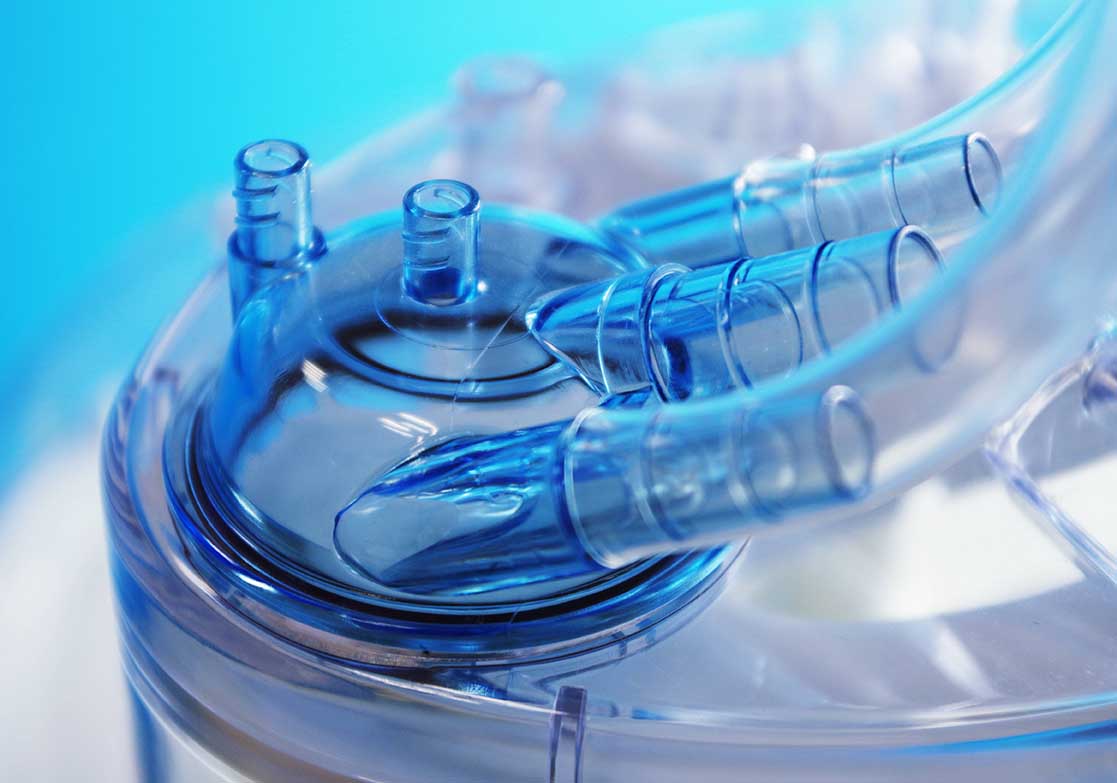
The table below lists a selection of adhesives that are suitable for holding plastic components. Further products and custom solutions are available on request. To download the technical datasheets (TDS) please click on the adhesive name.
| Adhesive | Application Areas | Viscosity [mPas] | Base | Curing * | Substrates | Special Properties |
|---|---|---|---|---|---|---|
| - | 1-3 | cyanoacrylate | moisture, room temperature |
|
|
|
| - | 1-3 | cyanoacrylate | moisture, room temperature |
|
|
|
| - | 70-100 | cyanoacrylate | moisture, room temperature |
|
|
|
|
shear thinning | cyanoacrylate | moisture, room temperature |
|
|
|
| - | 4-12 (LVT, 25 °C, Sp. 2/60 rpm) | cyanoacrylate | moisture, room temperature |
|
|
|
| - | 100,000-240,000 | cyanoacrylate | moisture, room temperature |
|
|
|
| - | 25,000-40,000 (Rheometer, 25 °C, 10s^-1) | epoxy | thermal |
|
|
|
| - | 20,000-25,000 | epoxy | thermal |
|
|
|
|
25,000-50,000 ( Rheometer, 25 °C, 10s-1 ) | epoxy | thermal |
|
|
|
|
85,000-130,000 (LVT, 25 °C, Sp. 4/3 rpm) | acrylate | UV |
|
|
|
| - | 5,000-8,000 (LVT, 25 °C, Sp. 4/30 rpm) | epoxy | UV |
|
|
|
| - | 70-150 | acrylate | UV VIS |
|
|
|
|
900-1,500 (LVT, 25°C, Sp. 3/30 rpm) | acrylate | UV VIS |
|
|
|
|
4,000-8,000 | acrylate | UV VIS |
|
|
|
| - | 7,000-9,000 | acrylate | UV VIS |
|
|
|
| - | 700-1,000 | acrylate | UV VIS secondary heat cure |
|
|
|
|
2,100 (Rheometer, 25°C) | acrylate | UV VIS |
|
|
|
|
5,000-10,000 (Rheometer, 25°C, 10s^-1) | acrylate | UV VIS |
|
|
|
|
40-100 | acrylate | UV VIS |
|
|
|
|
30-100 | acrylate | UV VIS |
|
|
|
|
40-70 | acrylate | UV VIS |
|
|
|
| - | 100-300 | acrylate | UV VIS |
|
|
|
| - | 10-100 | acrylate | UV VIS |
|
|
|
| - | 1,500-2,500 | acrylate | UV VIS |
|
|
|
|
3,000-5,000 | acrylate | UV |
|
|
|
| - | 1,000-2,000 | acrylate | UV VIS |
|
|
|
| - | 15,000-25,000 | acrylate | UV VIS secondary heat cure |
|
|
|
|
4,000-6,000 | epoxy | UV secondary heat cure |
|
|
|
|
19,000-32,000 (Rheometer, 25°C, 10s^-1) | acrylate | UV VIS |
|
|
|
| - | 20,000-30,000 (Rheometer, 25°C, 50s^-1) | acrylate | UV VIS | - |
|
|
| - | 12,000-30,000 | acrylate | UV VIS |
|
|
|
|
1,000-1,500 | acrylate | UV VIS |
|
|
|
| - | 50-150 | acrylate | UV VIS |
|
|
*UV = 320 – 390 nm VIS = 405 nm
Contact And Support
Do you have any questions or need support for our bonding solutions? We are happy to help you.