Non-Destructive Testing with Black Light
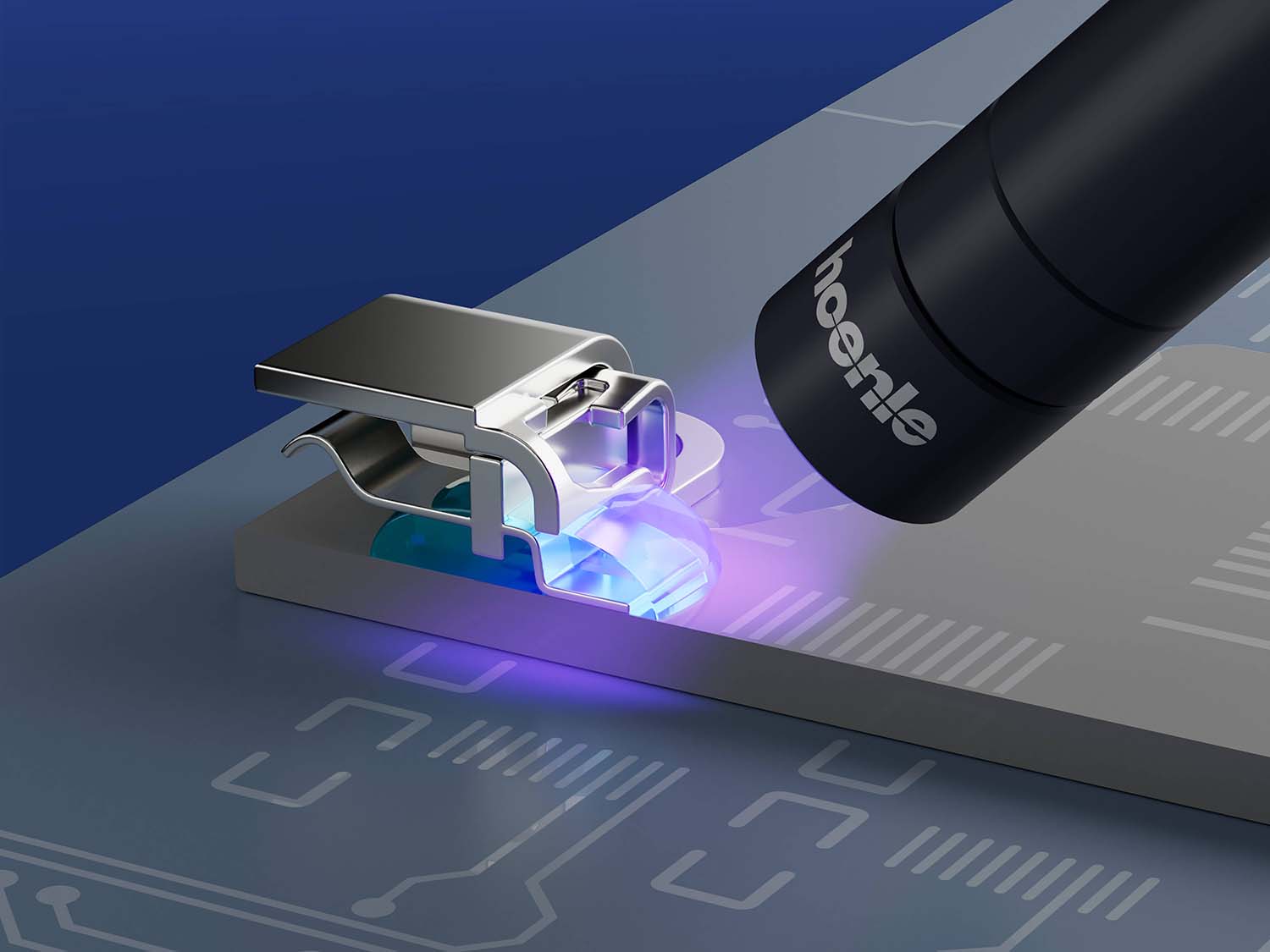
Non-destructive testing (NDT) is an essential method for examining materials and components without damaging them. Among the various NDT methods, the combination of UV radiation and fluorescence has become increasingly popular due to its ability to reveal even the smallest defects. These methods play a crucial role in detecting cracks, pores, and other material defects that may go unnoticed under normal lighting conditions.
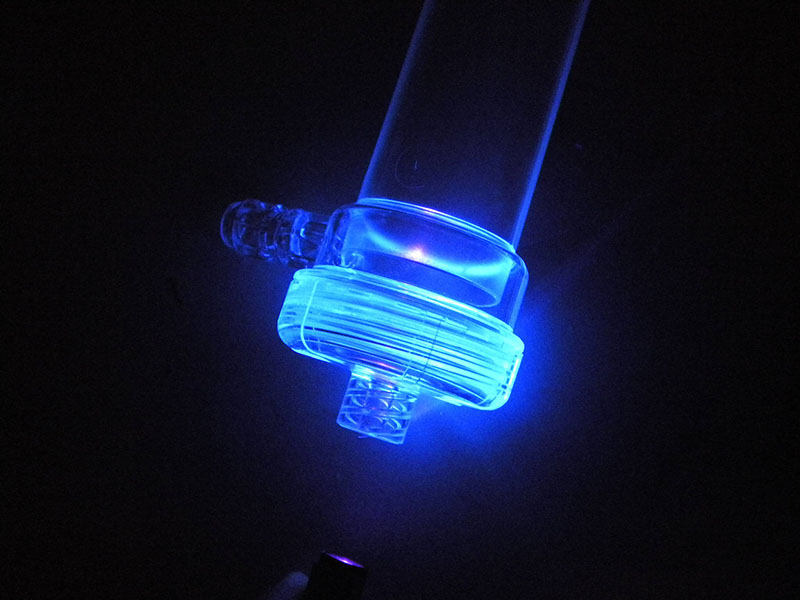
UV radiation is electromagnetic radiation that is invisible to the naked eye. In non-destructive testing, UV radiation activates certain substances that are sensitive to it and causes them to fluoresce. This fluorescence is crucial for detecting hidden material defects, especially when other testing methods cannot identify potential problems. By using fluorescent dyes or powders, non-destructive testing specialists can locate even the smallest defects that could compromise the structural integrity of a component or product.
Benefits of Non-Destructive Testing (NDT)
- Non-Destructive: No damage to materials during inspection.
- High Sensitivity: Detects even the smallest or deep-seated defects.
- Cost-Effective: Quick, simple, and affordable compared to other methods.
- Versatile: Applicable to various materials like metals, plastics, and composites.
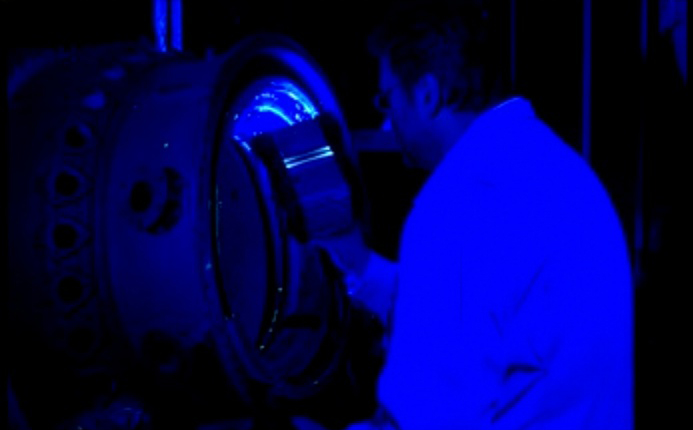
An aircraft engine is examined with a UVA HAND 250 for smallest cracks
Read more about the Hoenle UVA HAND 250
Contact And Support
Do you have any questions or need support for your fluorescence control? We are happy to help you.