Photo Chemistry
Influencing molecular properties
Photochemistry – chemical reactions caused by UV radiation
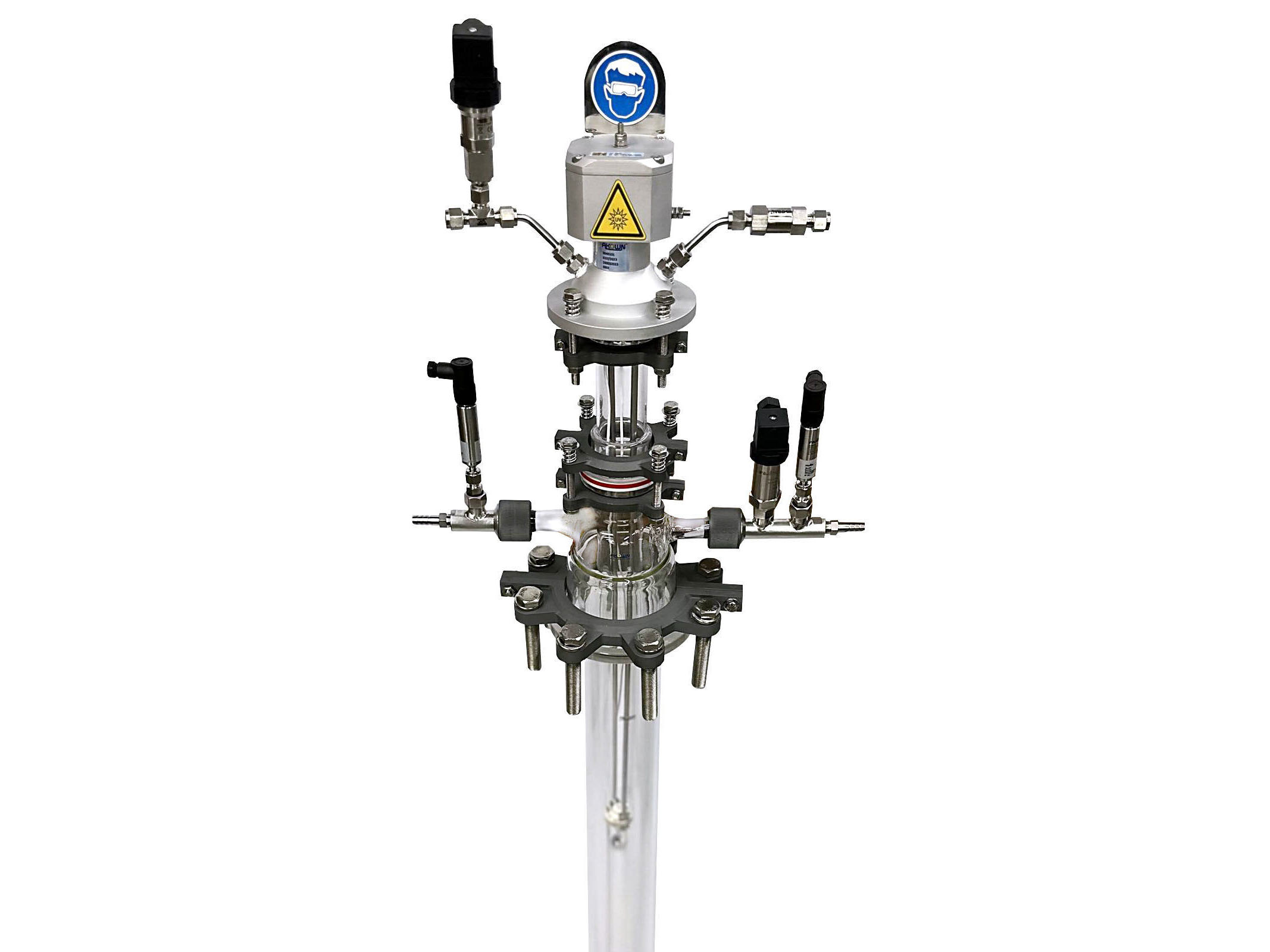
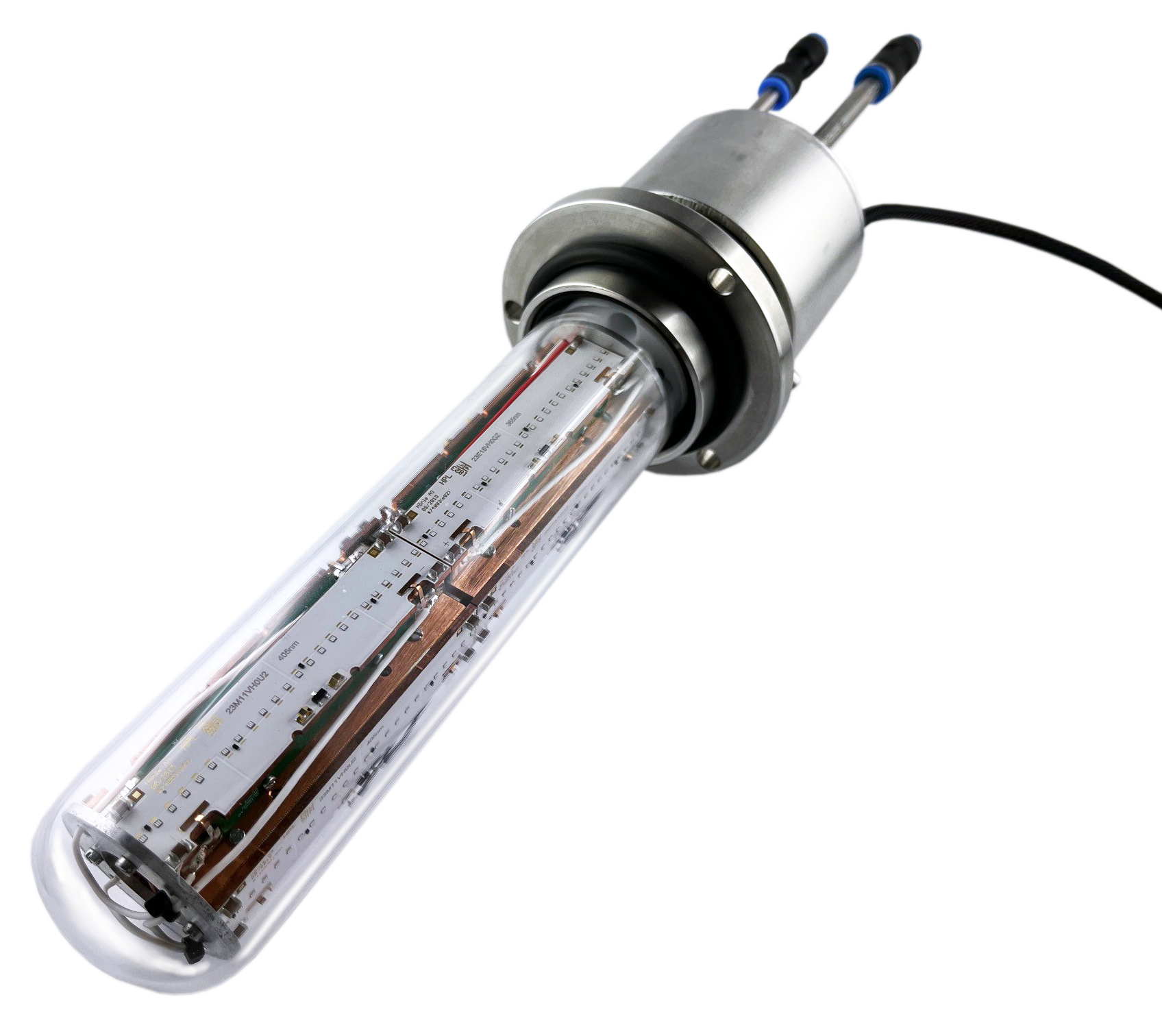
When molecules are exposed to ultraviolet (UV) radiation, their chemical structure can be selectively altered. By choosing suitable wavelengths, high-energy UV light initiates photochemical reactions such as bond cleavage, electron transfer or the formation of new bonds. This makes UV irradiation a valuable tool for modifying organic compounds and creating new substances.
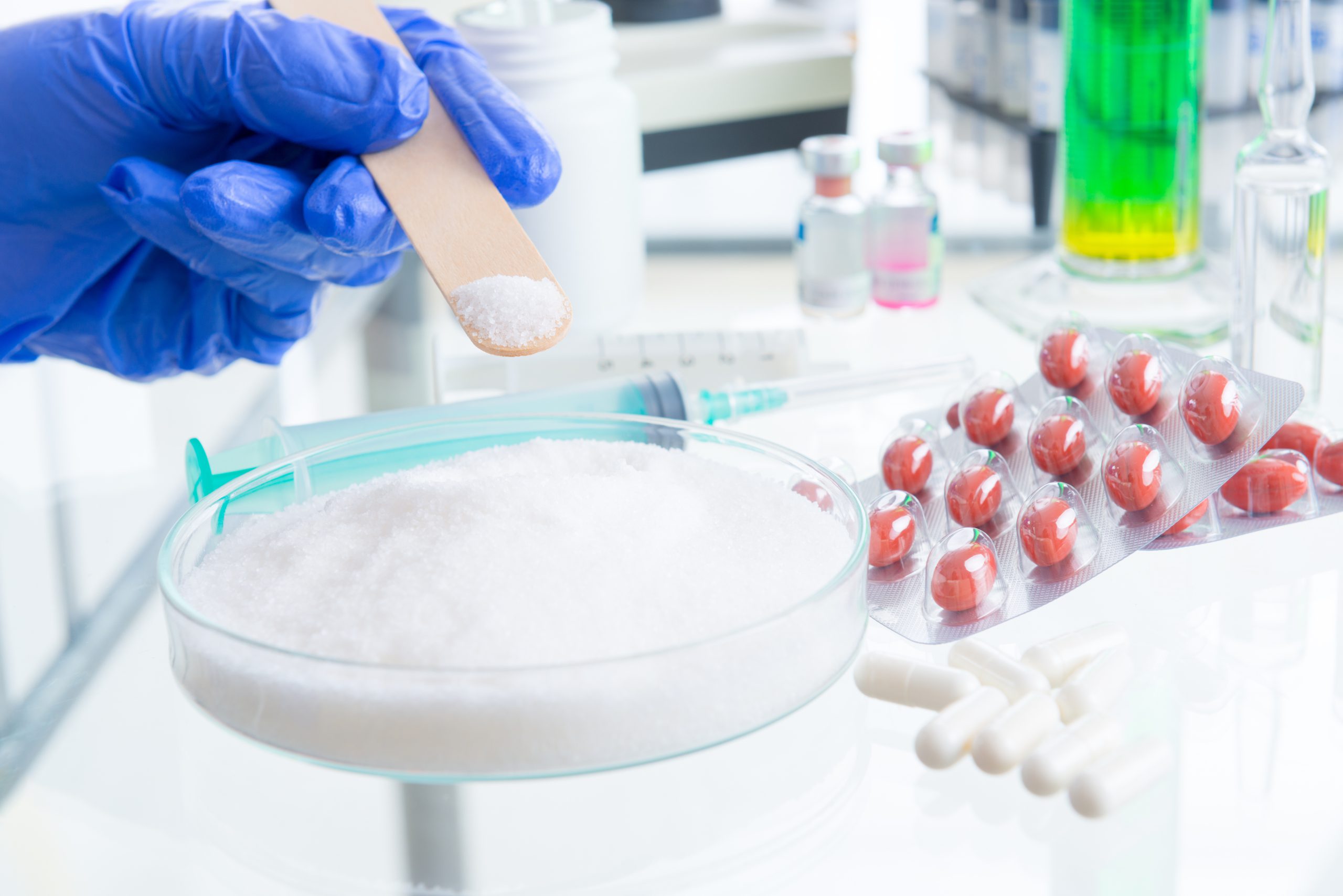
In halogenation, for example, UV photolysis splits chlorine or bromine molecules into highly reactive radicals. These radicals then substitute hydrogen atoms in organic molecules, enabling the formation of dichloro-, trichloro- or brominated derivatives. Such reactions play a key role in producing intermediates for pharmaceuticals, vitamins and fine chemicals.
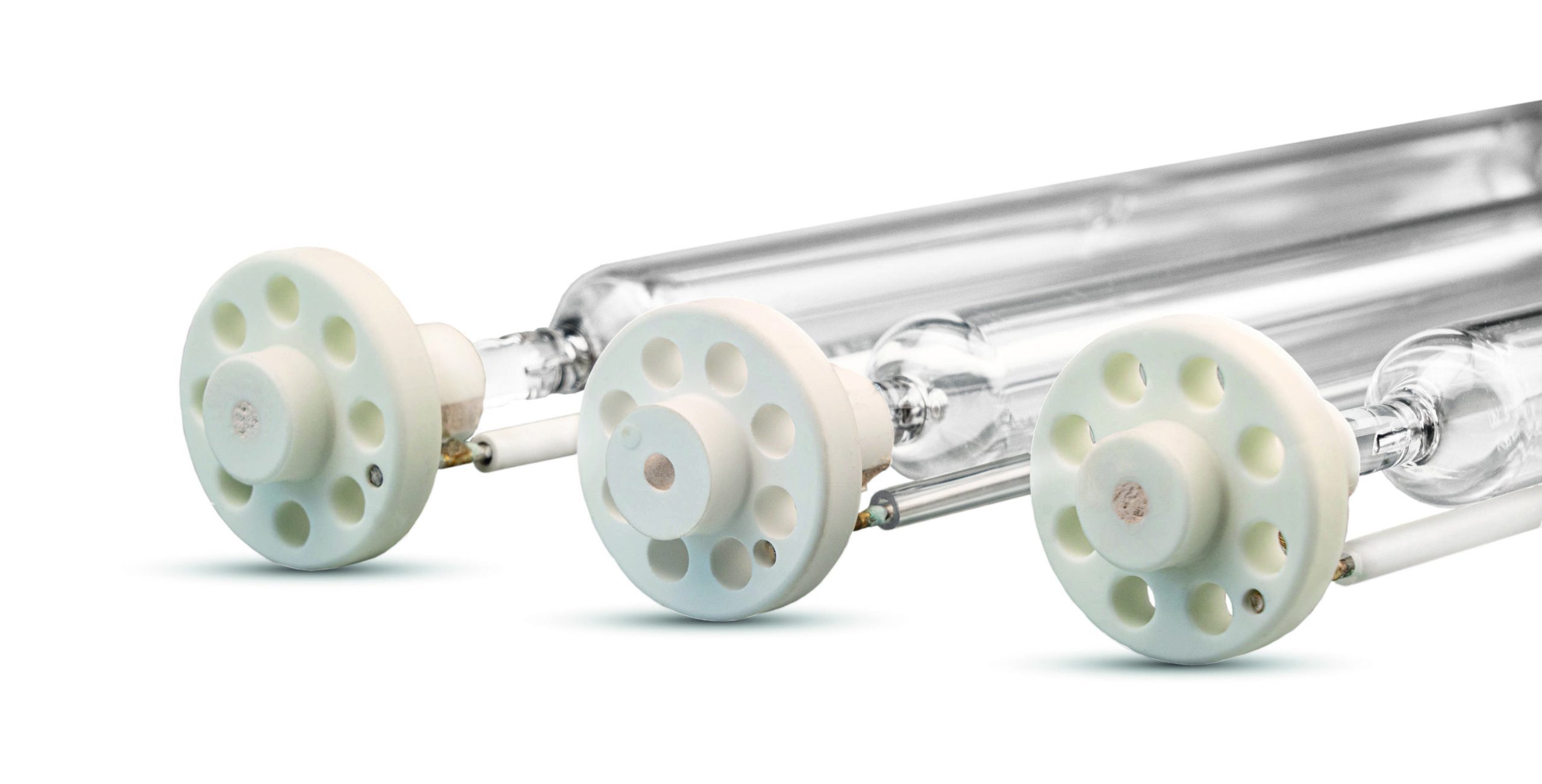
Since heat can destabilize molecules during these processes, specialized lamp systems with defined emission spectra, cooling gases and reflective coatings are used. They minimize unwanted wavelengths such as infrared radiation, ensuring high selectivity and efficiency in UV-driven chlorination and bromination.
New molecular structures and ultra-pure water – technologies for the future
Contact And Support
Do you have any questions or need support? We are happy to help you.