Photoanalysis and Ultrapure Water
Liquid and gas treatment
UV-based analysis – determination of constituents
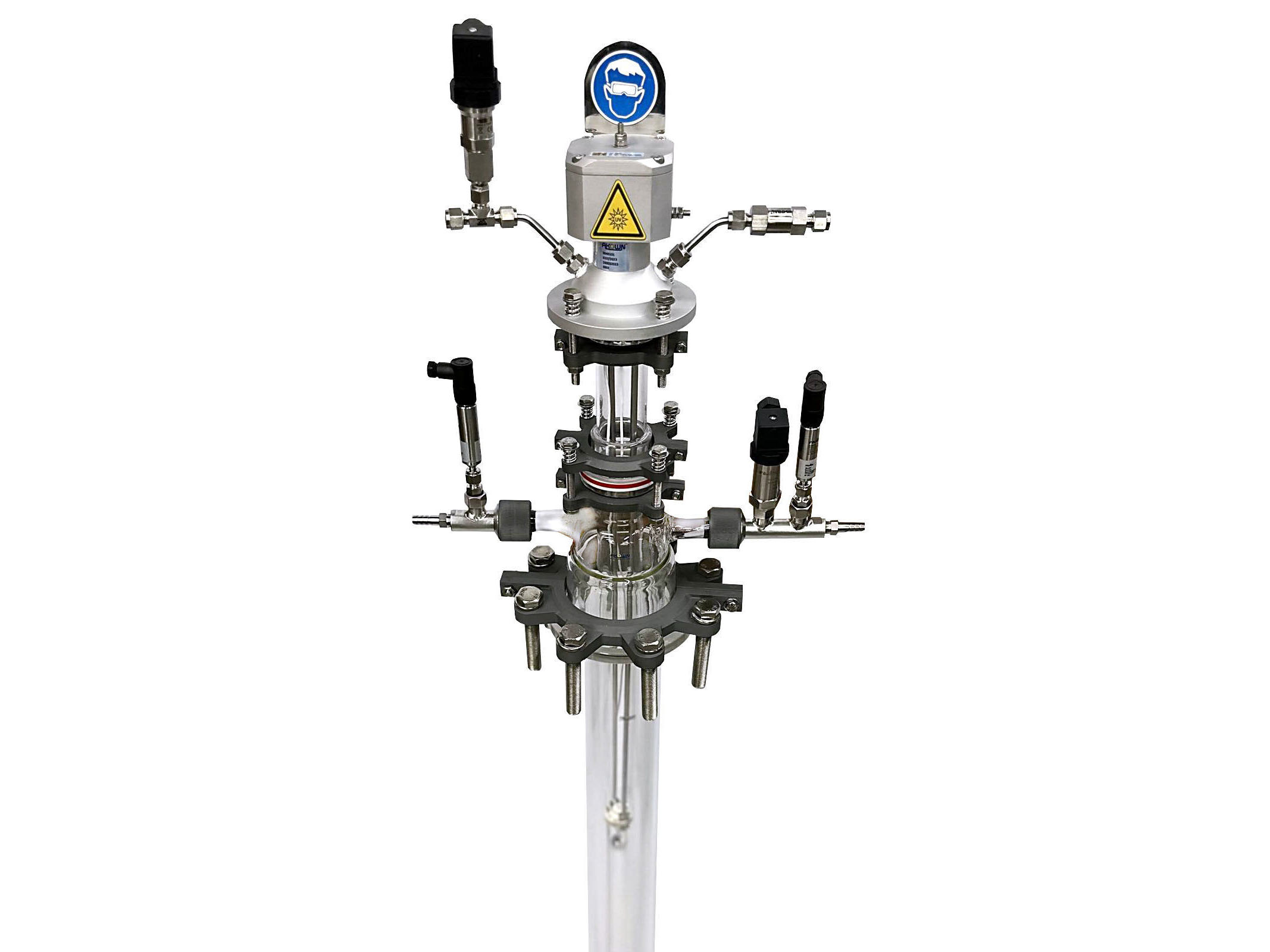
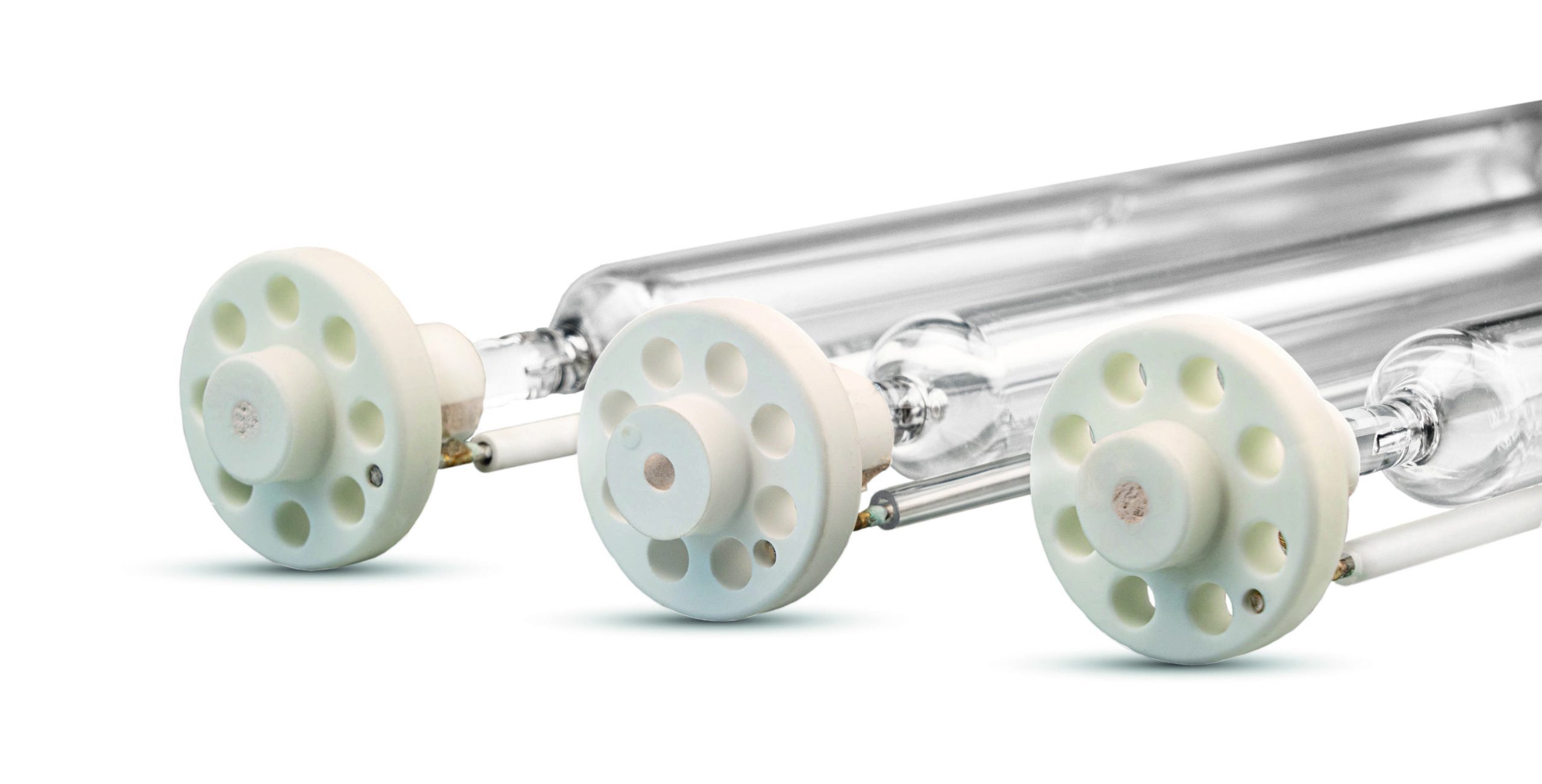
Photochemistry using UV radiation plays a crucial role in ultrapure water production, water analysis and treatment. By triggering photochemical reactions, UV light can break down organic contaminants or enable absorption measurements to detect, separate and quantify substances such as nitrate, nitrite, phosphate, organic compounds or heavy metals.
High-energy UV radiation (185 nm and 254 nm) is particularly effective for TOC reduction, where hydroxyl radicals generated during photolysis oxidize residual carbon compounds to carbon dioxide and water, achieving levels below 1 ppb.
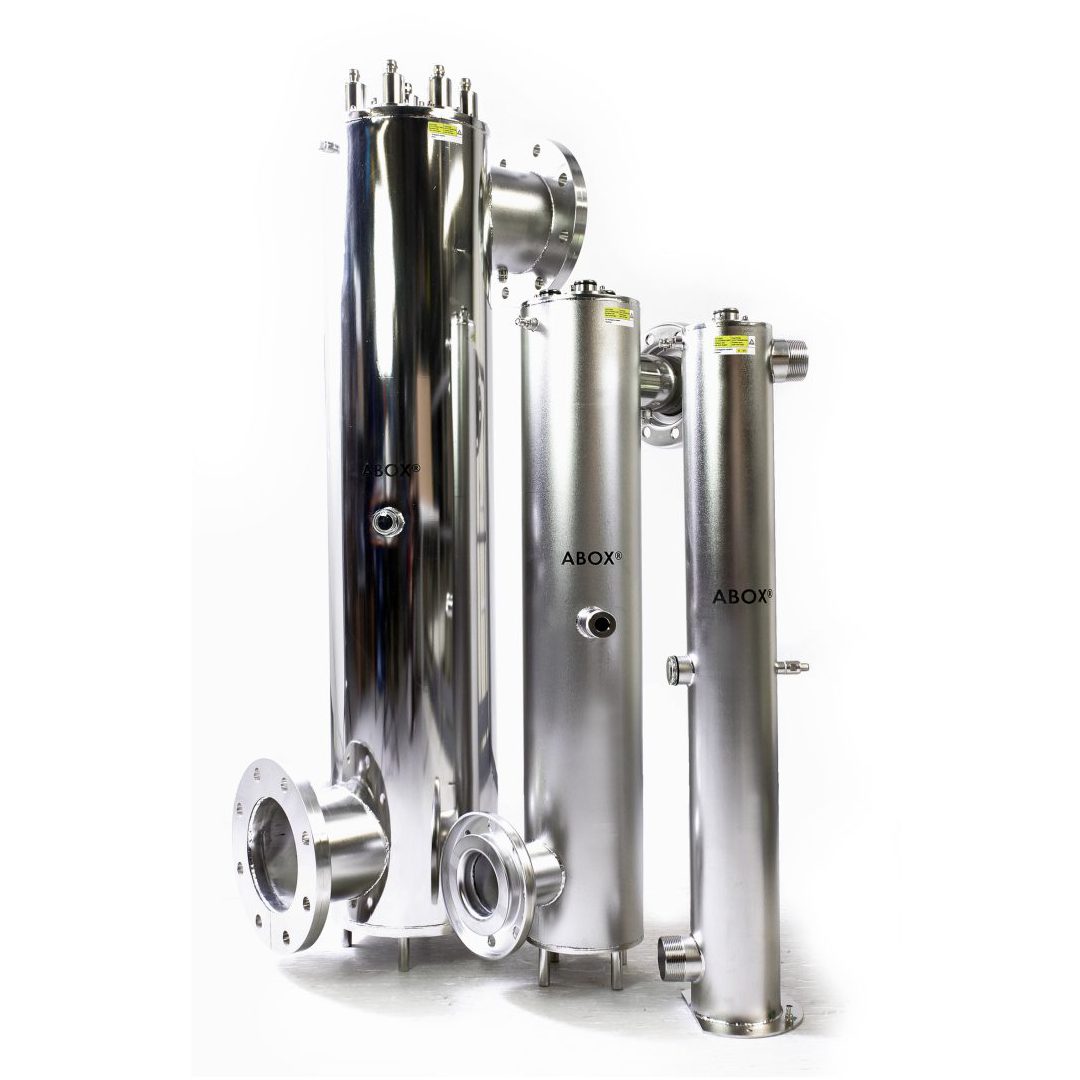
Modern UV systems employ quartz reactors, reflective coatings, and cooling mechanisms to minimize infrared radiation, protect sensitive molecules and maximize efficiency. This controlled UV treatment is essential for the semiconductor industry, pharmaceutical applications and green hydrogen manufacturing, where ultrapure water and precise TOC reduction are critical for reliable and reproducible processes.
Photometry – knowing what’s in
Contact And Support
Do you have any questions or need support? We are happy to help you.