Photolysis in Pharma
Developing new active ingredients
Novel active ingredients for the pharmaceutical industry
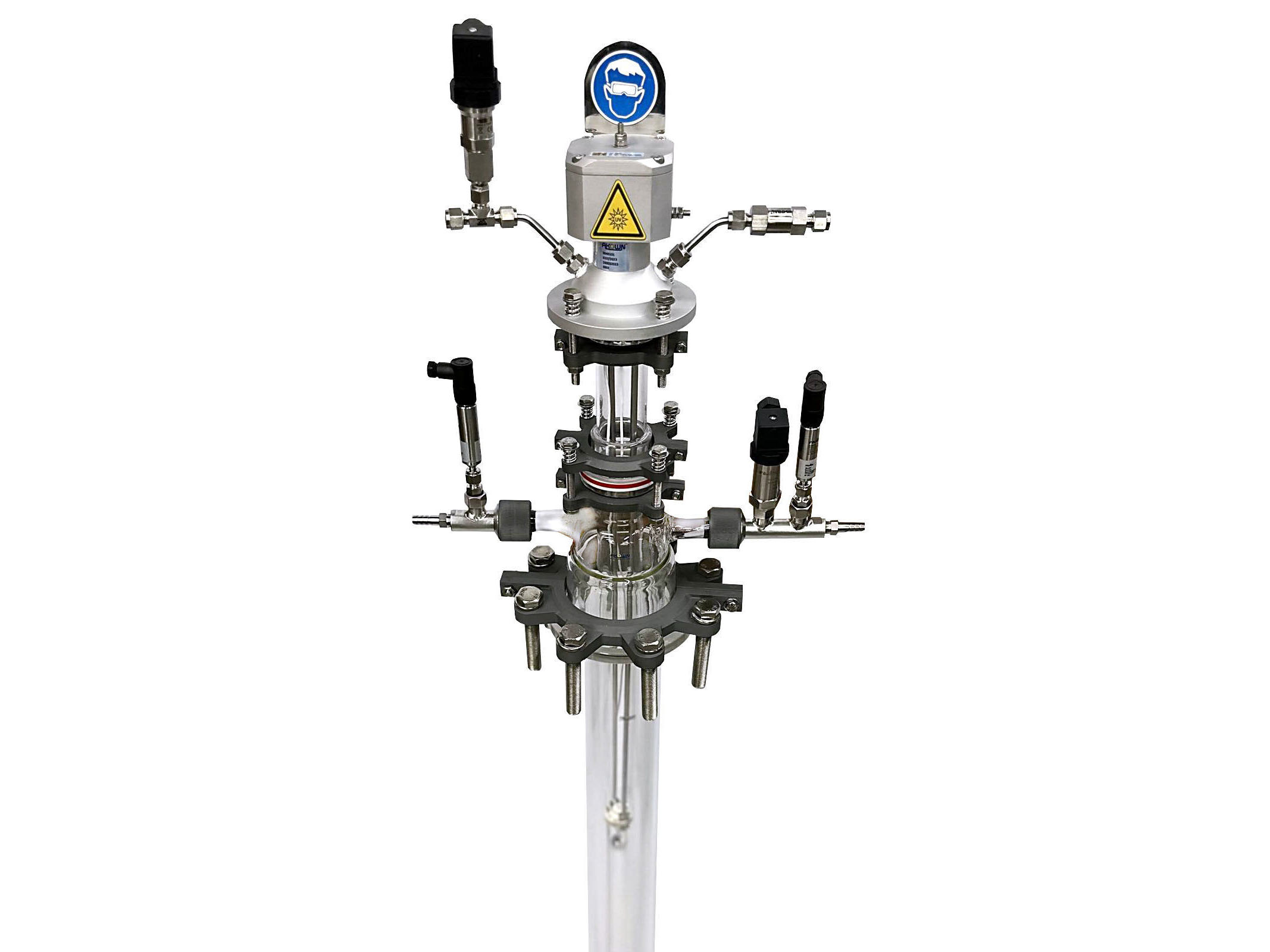
Photolysis is a chemical process in which molecules are broken down into smaller units through the absorption of light. In the pharmaceutical industry, this principle is of particular importance: certain active ingredients or formulations can undergo targeted structural modifications when exposed to UV radiation, enabling the synthesis of novel active pharmaceutical ingredients (APIs) or vitamins.
Examples of photolytically produced APIs include Dydrogesterone, used in hormone therapies or intermediates for contraceptives, antiviral drugs and vitamin D derivatives. Through controlled UV exposure, new chemical pathways become accessible that are difficult or impossible to achieve via conventional thermal or catalytic methods.
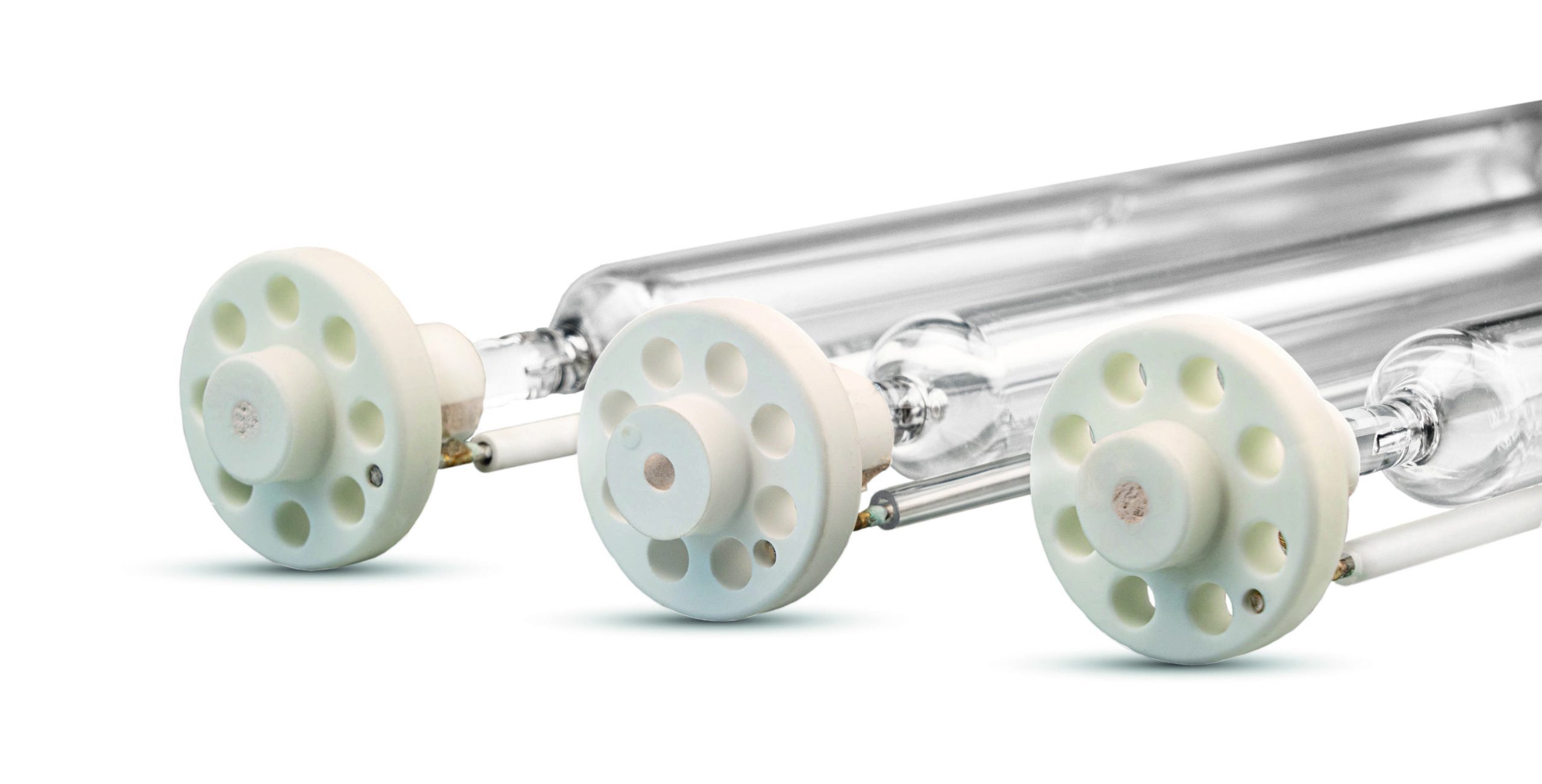
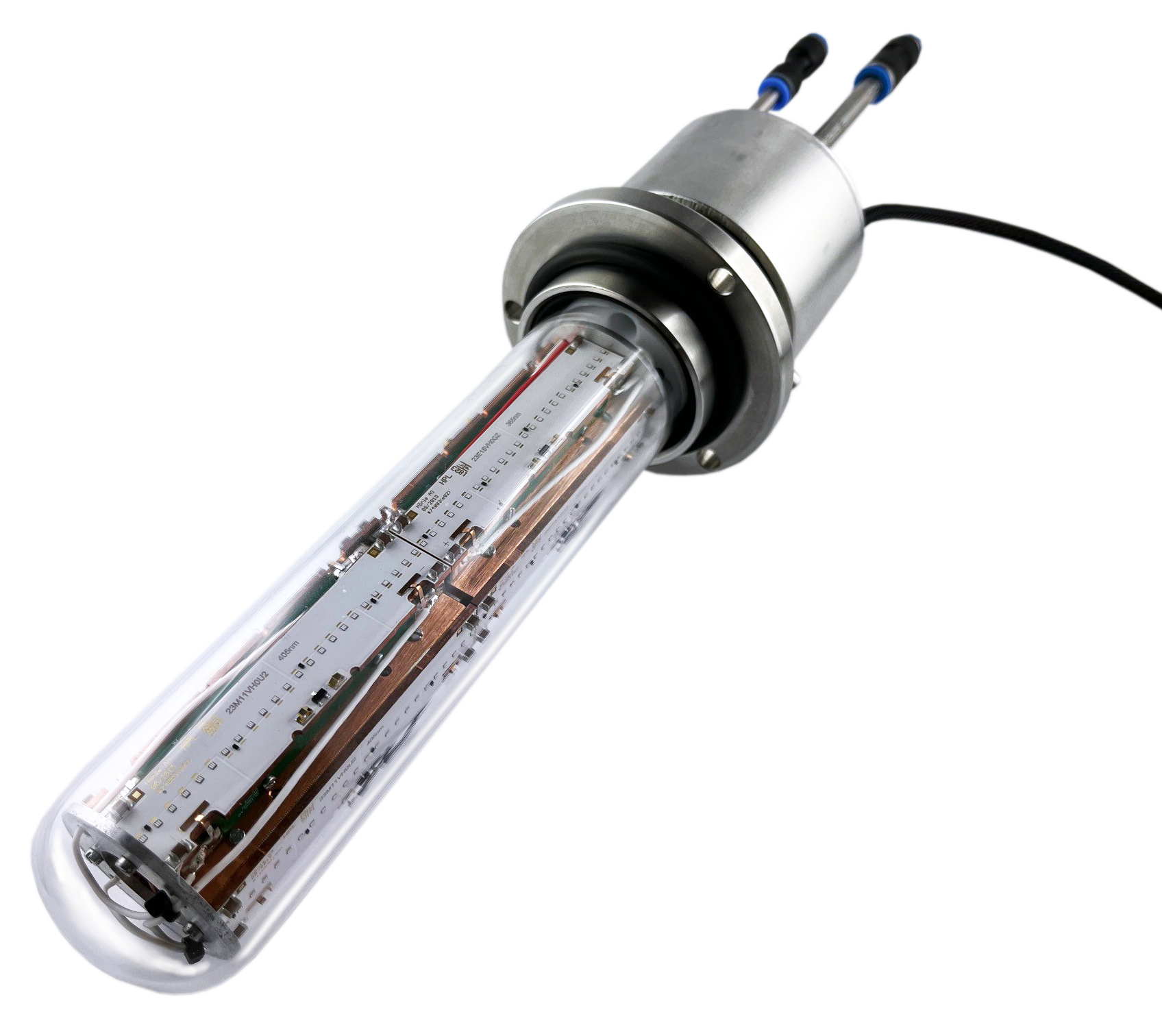
Since excessive heat can destabilize sensitive molecules and lead to degradation, temperature control plays a decisive role. By selecting the appropriate UV spectra, combined with cooling gases and special reflector coatings, undesired wavelengths such as infrared radiation can be minimized. This ensures efficient photolysis with high selectivity, enabling the safe and reproducible production of valuable pharmaceutical compounds.
Empowering pharma opportunities – UV is key.
Contact And Support
Do you have any questions or need support? We are happy to help you.