Sensor Technology
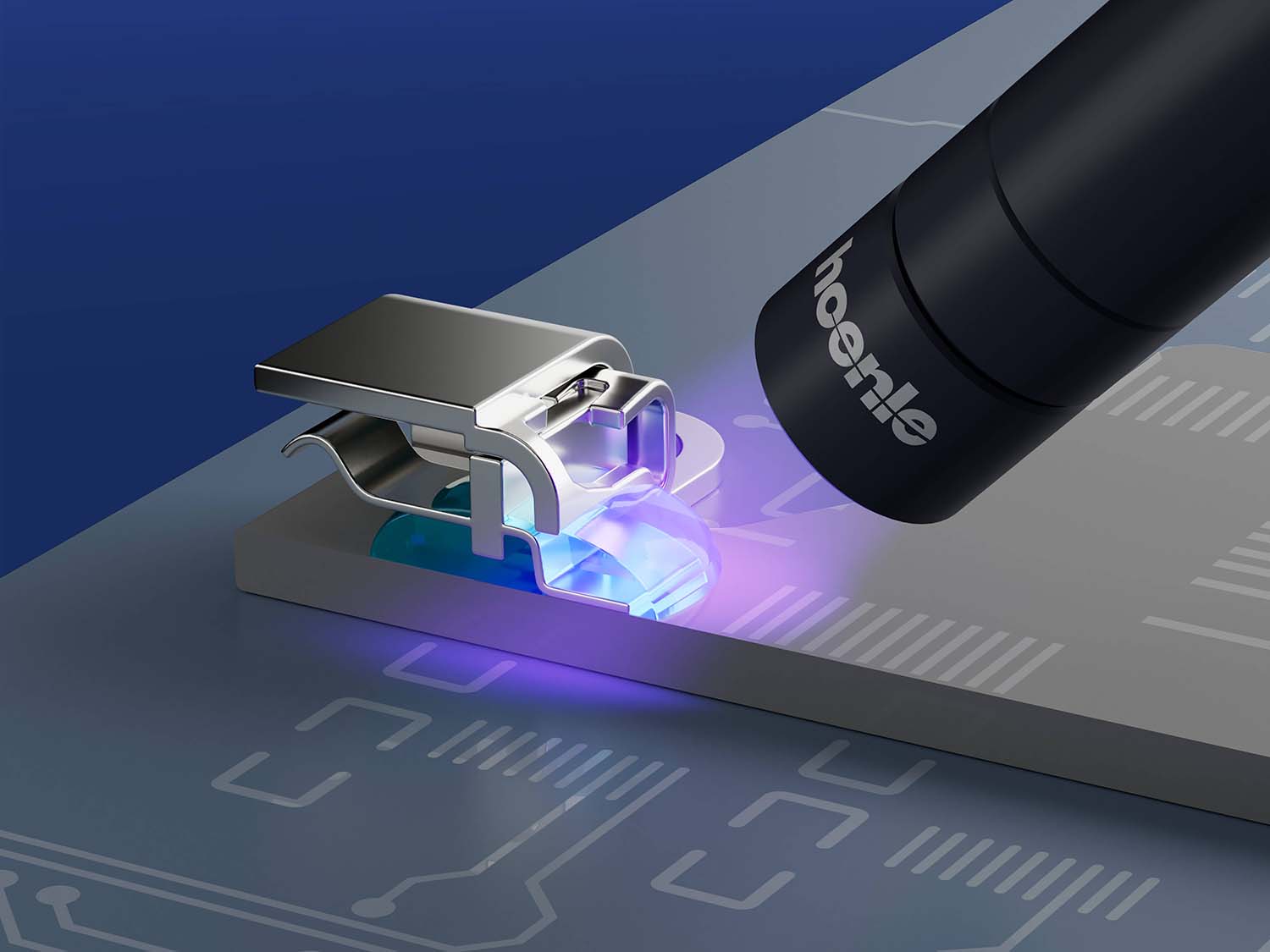
It is impossible to imagine the automotive and vehicle industry without sensor technology. Sensors detect physical or chemical properties such as temperature, humidity, pressure, force or acceleration and convert them into an electrical signal that can be further processed. In some cases, sensors must function in critical environments without failure and for as long as possible. Hoenle adhesives are used in sensor technology to fix and/or protect components, for shielding, heat dissipation or electrical contacting.
Sensor technology is used both in the interior and exterior of vehicles. Sensors must be adapted to the environment and withstand temperature fluctuations, humidity, media resistance, vibrations and other conditions. Hoenle adhesives, sealants and potting compounds are ideally suited for this purpose, as they not only protect but also bond sensor components. Sensors in outdoor areas are also exposed to humidity and rain, where glob tops or pottings with low ion content from Hoenle offer additional protection against corrosion.
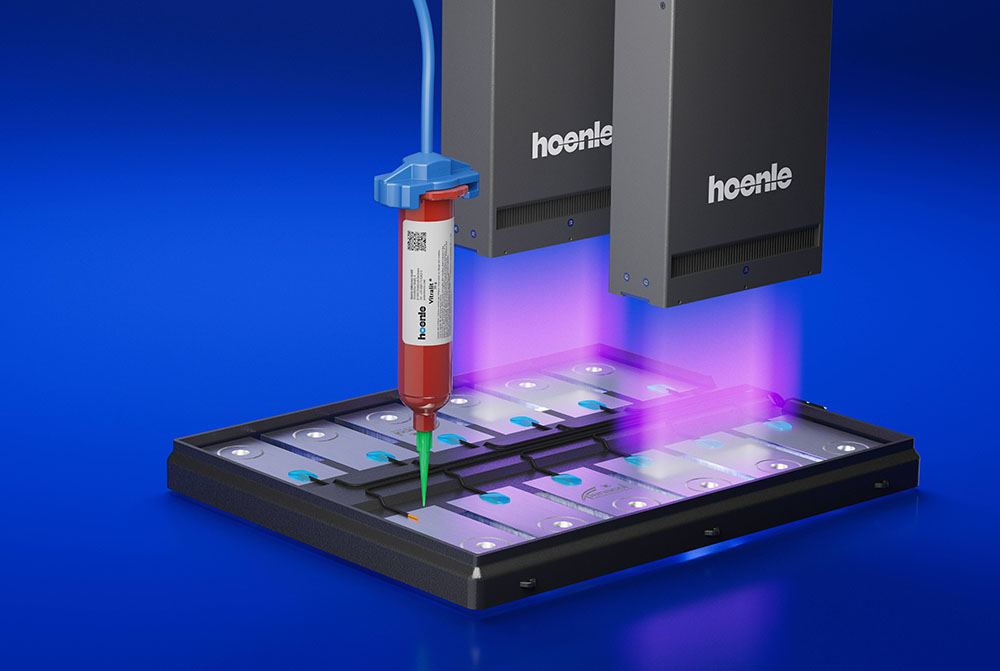
In addition to the environment, other factors such as substrates, surface conditions or thermal expansion coefficient play a decisive role in the selection of the potting or connecting compound. The choice of process can also contribute significantly to product recommendation. UV-curing products in particular are an efficient and fast method for casting or bonding. The viscosity settings can be continuously optimized and adjusted here. Hoenle offers competent advice based on many years of know-how and a wide range of products for this area.
Material in possible shadowed areas can be safely cured by dual-curing products. Here, the adhesive on the sensor or component is first fixed with UV light. In a second step, the adhesive then cures with heat or moisture in the non-exposed areas.
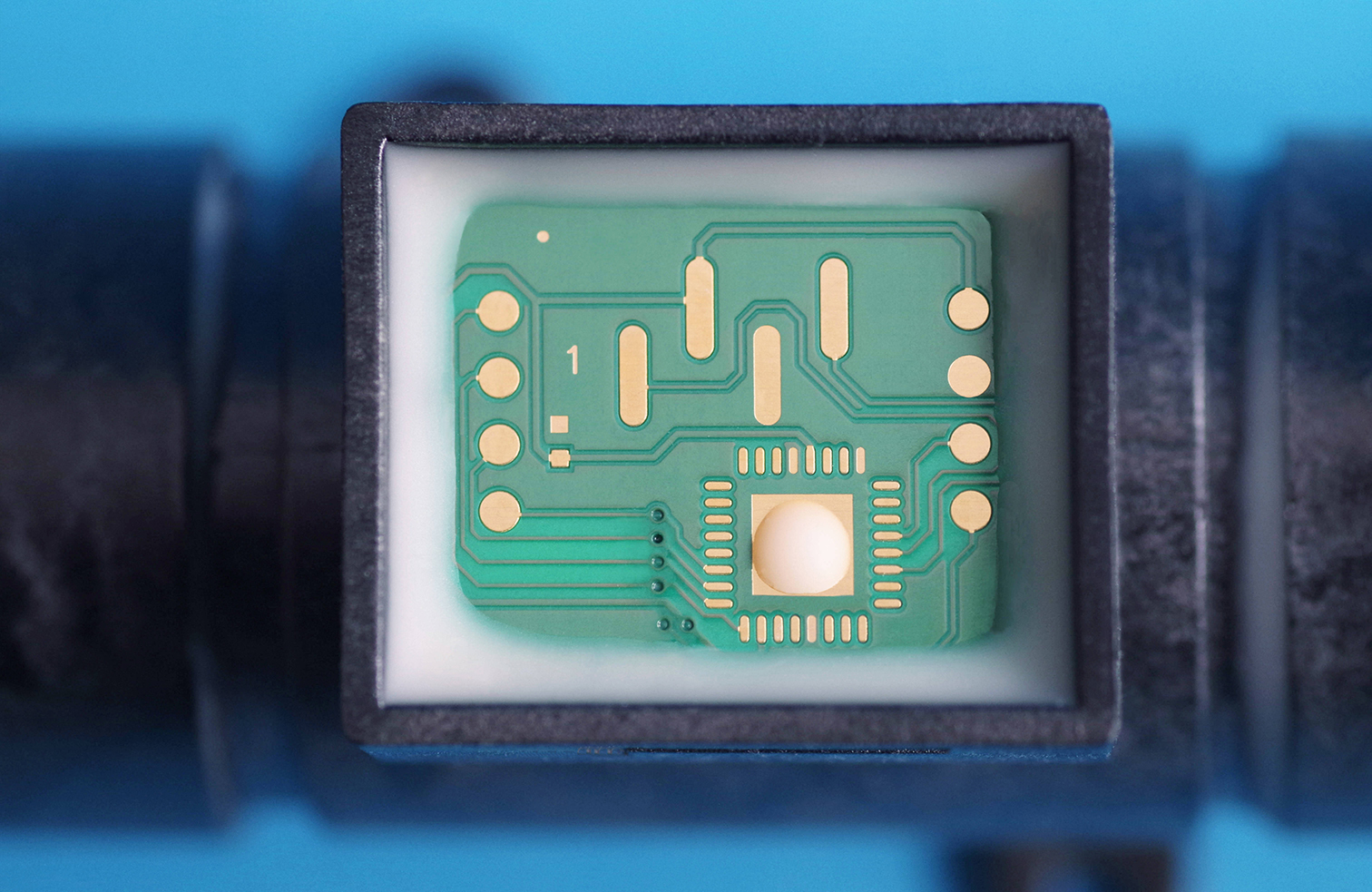
A Structalit® adhesive is used as potting on a sensor board.
In the following table you will find a selection of adhesives suitable for the various applications in sensor technology. Further products and customer-specific solutions are available on request. Technical data sheets can be downloaded by clicking on the adhesive name.
| Adhesive | Application Areas | Viscosity [mPas] | Base | Curing * | Special Properties |
|---|---|---|---|---|---|
|
9,000-14,000 (Rheometer, 10s^-1) | epoxy | UV secondary heat cure |
|
|
|
20,000-30,000 (Rheometer, 25 °C, 20s ^-1) | epoxy | thermal |
|
|
|
19,000-32,000 (Rheometer, 25°C, 10s^-1) | acrylate | UV VIS |
|
|
|
3,000-5,000 | epoxy | UV secondary heat cure |
|
|
|
160-300 | epoxy | UV secondary heat cure |
|
|
|
900-1,500 (LVT, 25°C, Sp. 3/30 rpm) | acrylate | UV VIS |
|
|
|
4,000-8,000 | acrylate | UV VIS |
|
|
|
3,000-8,000 | acrylate | UV secondary heat cure |
|
|
|
1,000-1,500 | acrylate | UV VIS |
|
|
|
4,000-6,000 | epoxy | UV secondary heat cure |
|
|
|
80,000-90,000 Mix, 25,000-35,000 part A, 60,000-70 000, part B, (Rheometer, 25 °C, 10s^-1) | 2 component epoxy | thermal room temperature |
|
|
|
20,000-40,000 | epoxy | thermal |
|
|
|
12,000-20,000 (LVT, 25 °C, Sp. 4/6 rpm) | epoxy | thermal |
|
|
|
95 000 - 115 000 (LVT, 25 °C, Sp. 4/3 rpm) | epoxy | thermal |
|
|
|
30,000-45,000 (LVT, 25°C, Sp. 4/6 rpm) | epoxy | thermal |
|
|
|
6,500-7,500 (Rheometer, 25°C, 20s^-1) | epoxy | thermal |
|
*UV = 320 – 390 nm VIS = 405 nm
Bonding solutions for sensors

Electrical Contacting
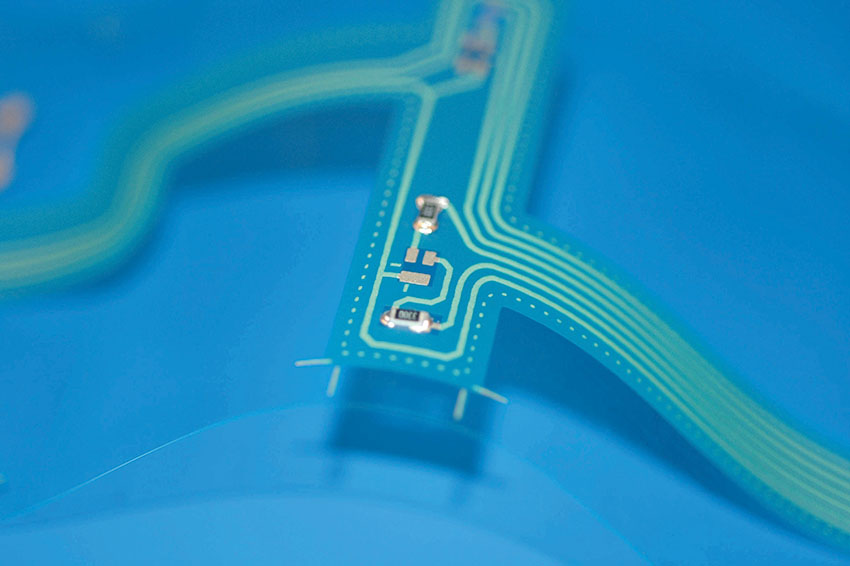
Products from the Elecolit® product range can be used for electrical contacting of sensors, components and other vehicle electronics. These electrically conductive adhesives cure even at low temperatures, so that they are used instead of soldering, especially on heat-sensitive components. In addition, adhesives are more flexible and therefore enable stress-free connections.


Contact And Support
Do you have any questions or need support for our bonding solutions? We are happy to help you.