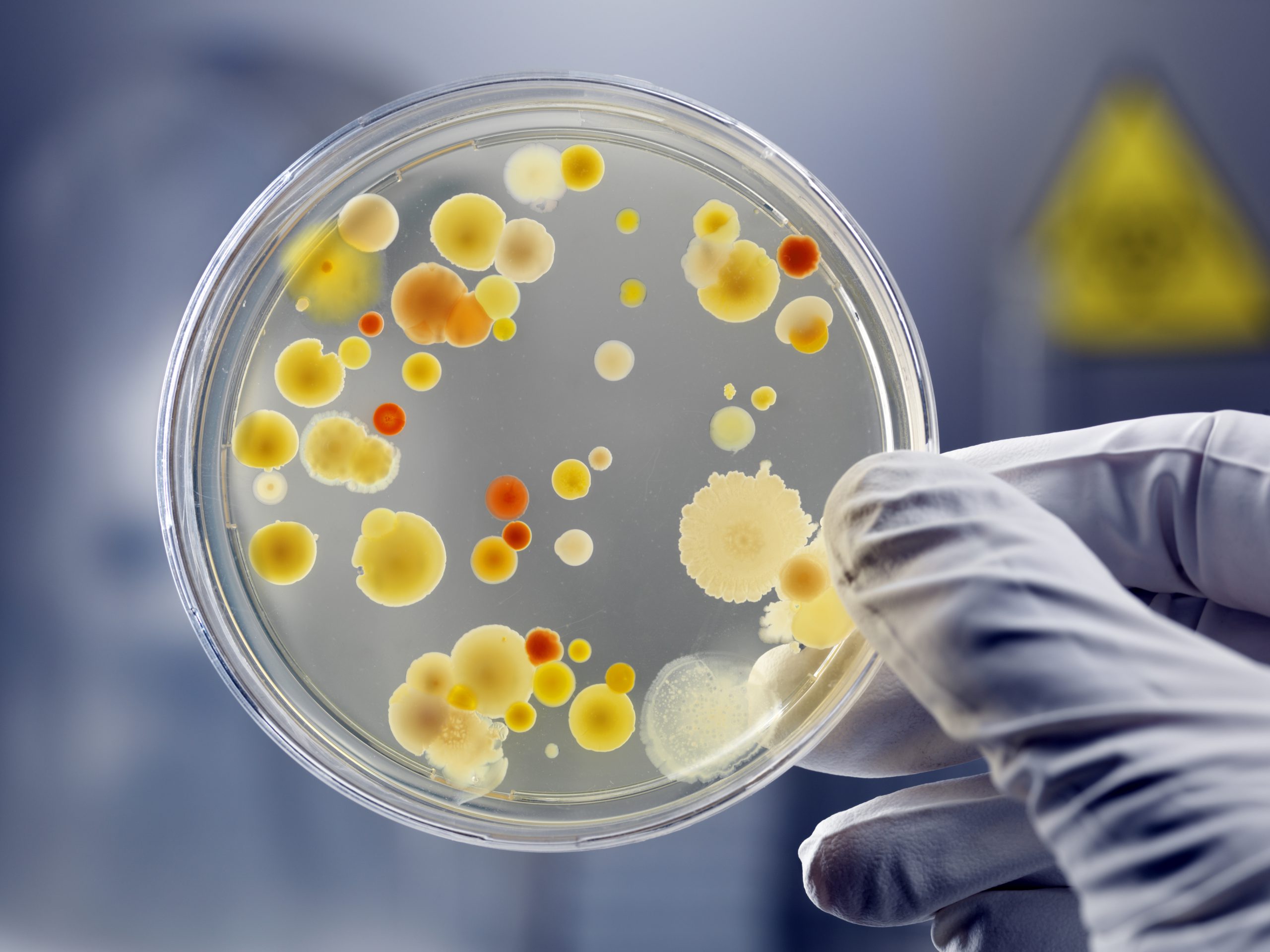

Water Disinfection
Excellence in Water Treatment
Chemical-free – a pure solution
UV water disinfection is an environmentally friendly and chemical-free method of disinfecting water. It is often used in areas where high hygiene standards are required, such as hospitals, laboratories or in the food industry. It is also used in the treatment of drinking water, on board ships for ballast water and for the treatment of wastewater. Industrial companies and private customers rely on UV-Technology.
This process ensures consistent water quality without altering taste, odor or pH value. In addition, it requires minimal maintenance and offers a cost-effective long-term solution for safe and clean water compared to other technologies.
UV treatment – without compromise



Any Questions?
What exactly is UVC water disinfection?
UVC radiation is a proven and highly effective method for inactivating bacteria and viruses in liquids. It is widely used to disinfect drinking water, process water, aquaculture systems, pools and whirlpools, wells, filter systems, medical instruments and more.
Clean water is one of the most valuable resources on Earth. Using UVC disinfection, contaminated water can be treated with up to 99.99% effectiveness. Various devices are available to suit different applications and expert consultation is recommended to select the right solution for safe and efficient water disinfection.
How does UVC water disinfection work?
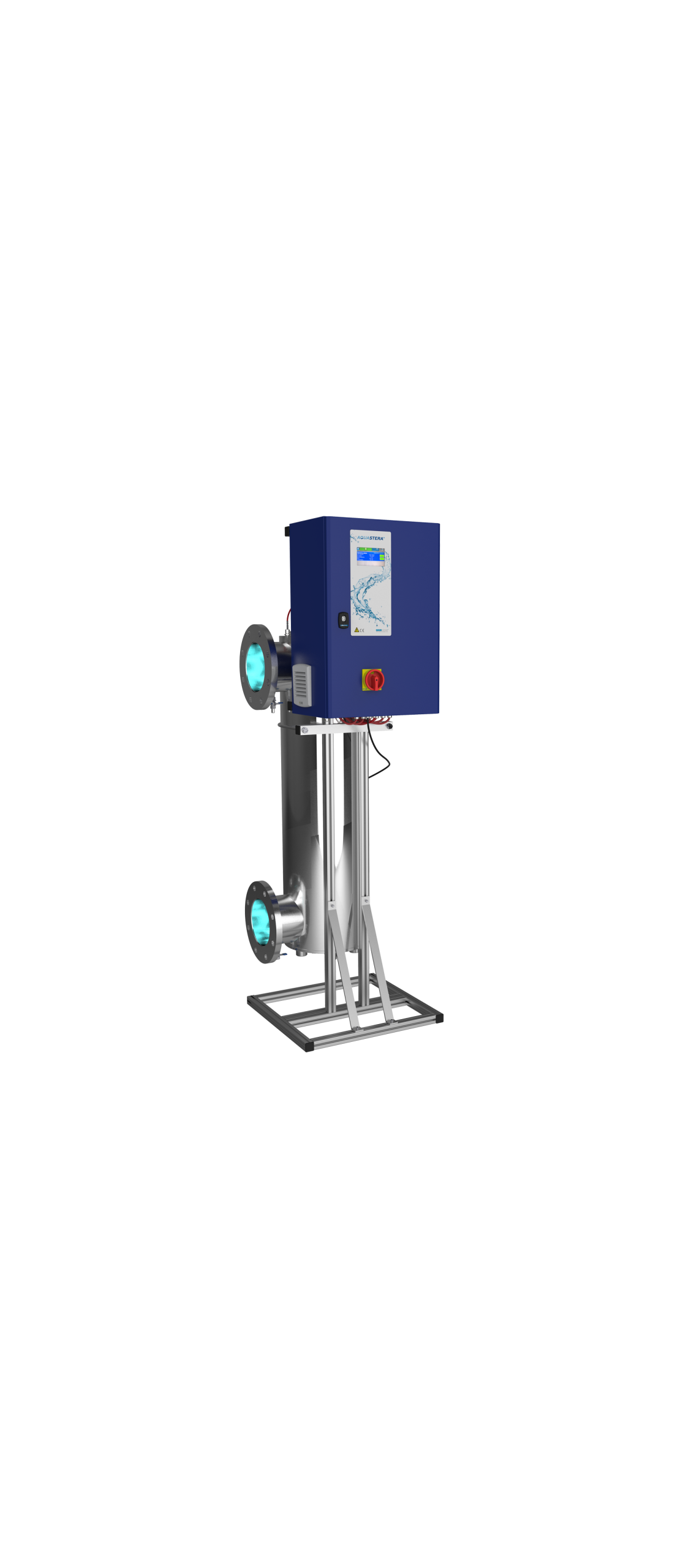
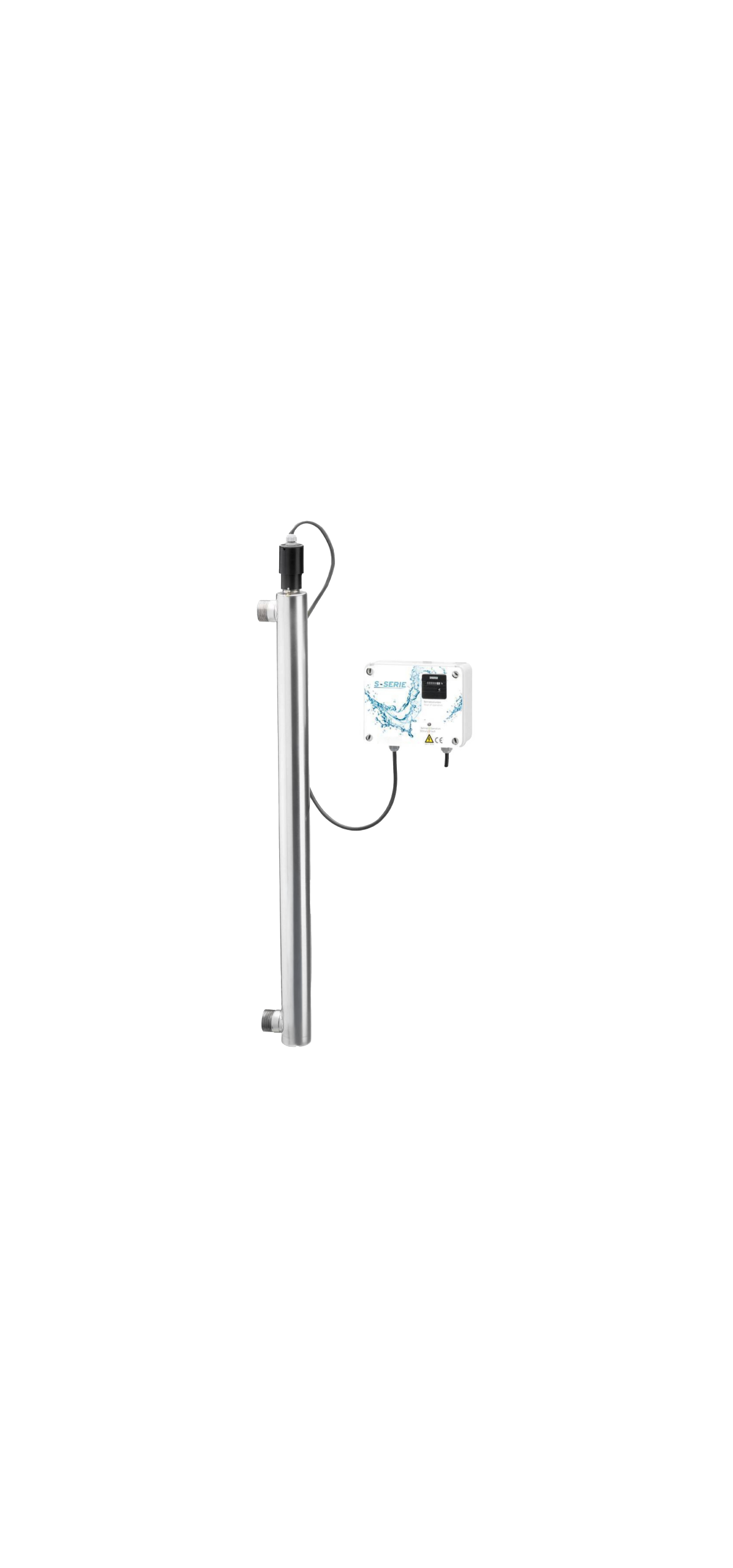
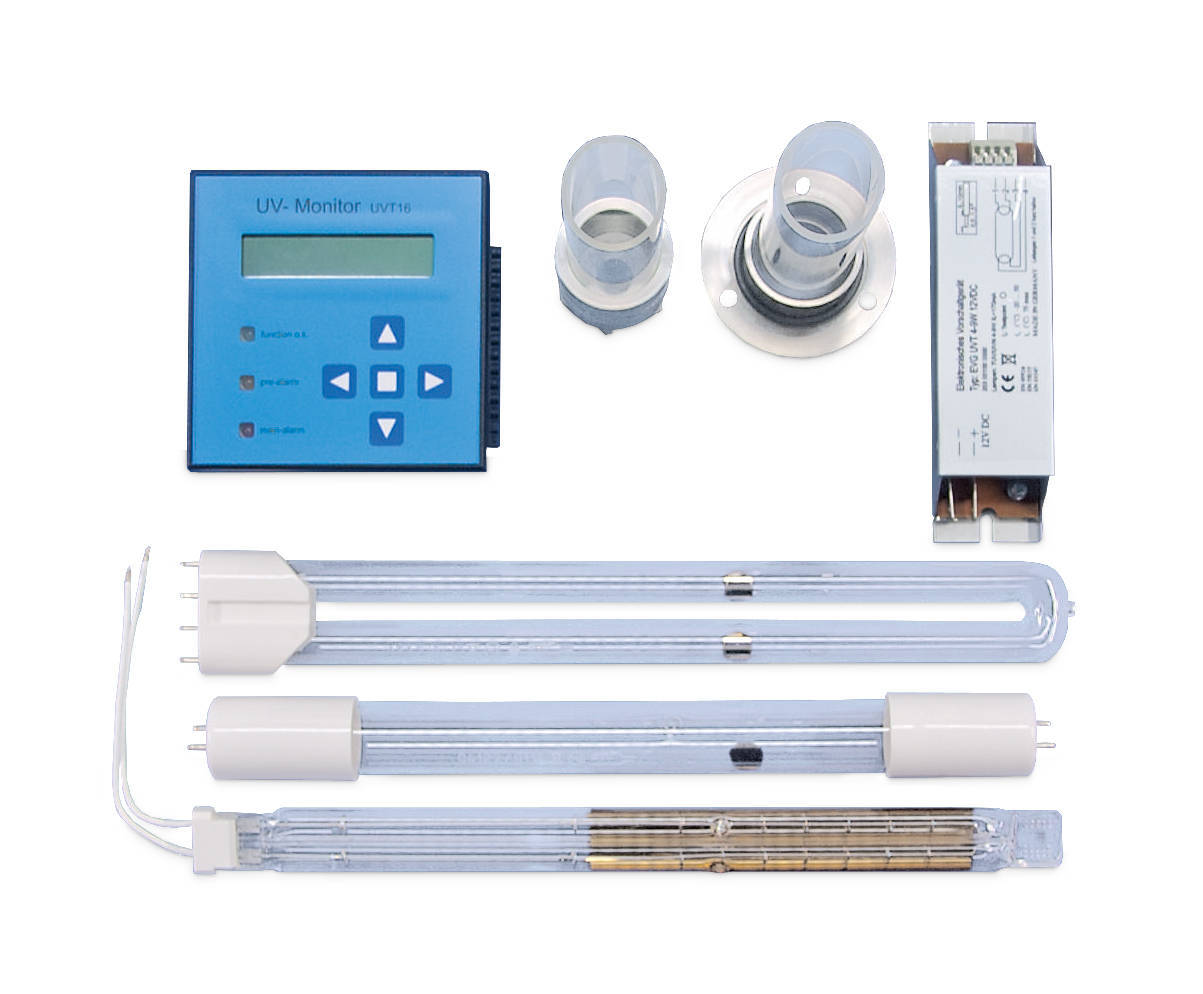
The setup depends on the intended application. In general, UV lamps are installed in a water disinfection system, emitting short-wave ultraviolet light at a wavelength of 253.7 nm.
These UVC sterilizers are integrated into the filter circuit, allowing water to flow past the UV. The intense radiation effectively inactivates germs, making the water safe while preserving its quality – completely chemical-free.
For reliable disinfection, a specific radiation intensity is required to ensure all microorganisms are effectively deactivated. This intensity must be precisely calculated for each application.
In which areas is UVC water disinfection used?
UV water disinfection is ideal when chemical disinfectants may have harmful effects or when high temperatures are unsuitable for treating (drinking) water.
Common applications include:
- Ballast water systems
- Uultrapure water for Semiconductor industry
- Municipal and private drinking water supply
- Aquaculture & Horticulture
- Public pools and swimming pools
-
Garden ponds and wells
-
Food and beverage industry
-
Pharmaceutical and cosmetics industry
-
Bath water treatment
- Water Analysis (TN, TP, TOC)
Which devices are used for UVC water disinfection?
Different UV water disinfection devices are available for a variety of applications. For private households or industrial use, continuous flow systems are ideal, requiring only a short contact time to inactivate microorganisms.
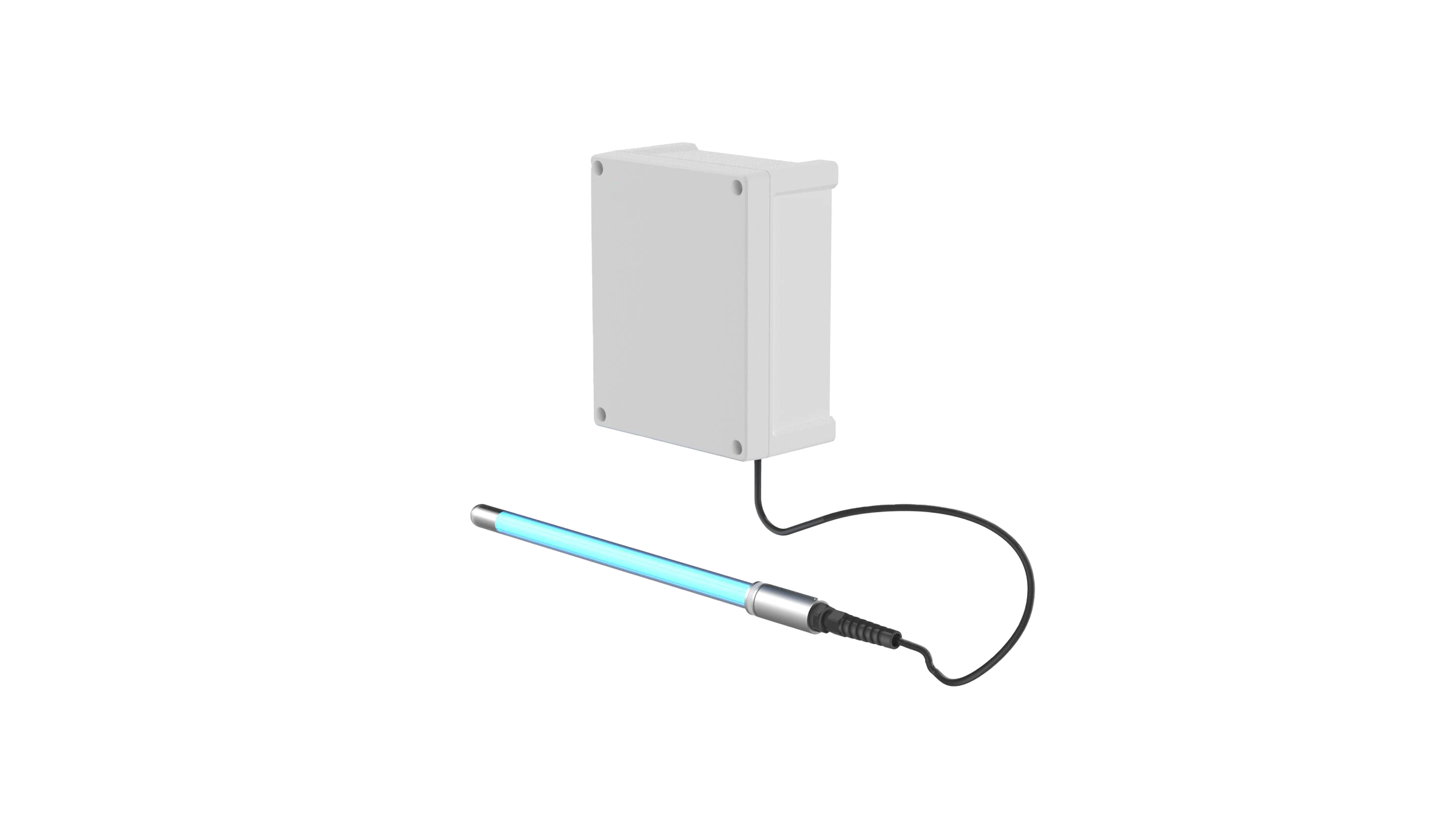
In cooling towers, air washers or water tanks, replaceable UVC lamps are commonly used. UV immersion lamps, also called UV clarifiers, are fully submerged under water and often protected by a quartz glass tube for maximum efficiency.
In aquariums, UV filters feature a chamber illuminated with UV radiation, typically integrated into the water circuit of an external filter or connected via bypass system. These solutions ensure effective, chemical-free water disinfection across a wide range of settings.
What effect does UVC water disinfection have on pathogens?
A UV system allows effective water treatment without the need for additional chemical care products, while fully preserving water quality. UV disinfection also reduces measurable chloramine levels in bath water, helping prevent skin and eye irritation.
Finally, living microorganisms, such as E. coli, Salmonella and Cryptosporidium cannot develop resistance to UV rays – ensuring they are reliably destroyed.
What are the main advantages of UV water disinfection?
Here are a few advantages when using with UVC water disinfection:
- Use without chemicals
- Effective against a wide range of microorganisms
- No formation of harmful by-products such as chlorine dioxide & trihalomethanes
- Easy operation & maintenance
- Possibility of sustainable use via renewable energies such as solar
Contact And Support
Do you have any questions or need support? We are happy to help you.