
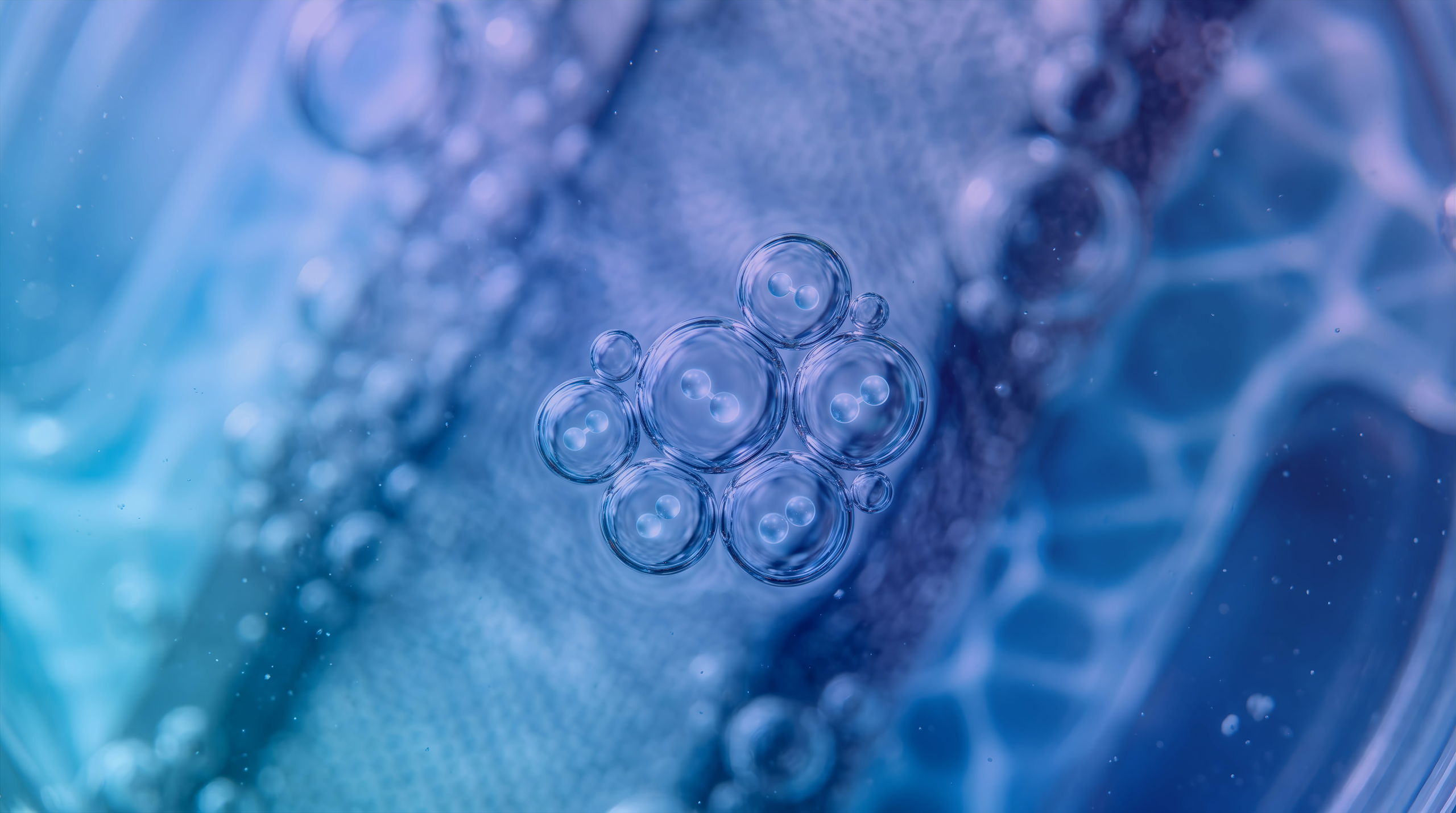
Hydrogen Electrolysis
Hydrogen electrolysis is one of the key technologies enabling the transition toward a low-carbon economy. By splitting water into hydrogen and oxygen using electrical energy, electrolyzers provide a pathway for producing green hydrogen when powered by renewable energy sources such as wind, solar or hydropower.
While much attention is focused on electrolyzer efficiency and renewable electricity supply, water quality is often overlooked. Yet the performance, reliability and lifetime of an electrolyzer are directly influenced by the quality of the feed water entering the system.
Modern electrolysis technologies, particularly Proton Exchange Membrane (PEM) systems, require highly purified water with extremely low levels of dissolved ions, particles, microorganisms and organic contaminants. Even trace concentrations of impurities can affect membrane performance, catalyst activity and overall system efficiency.
UV Photolysis for TOC Reduction
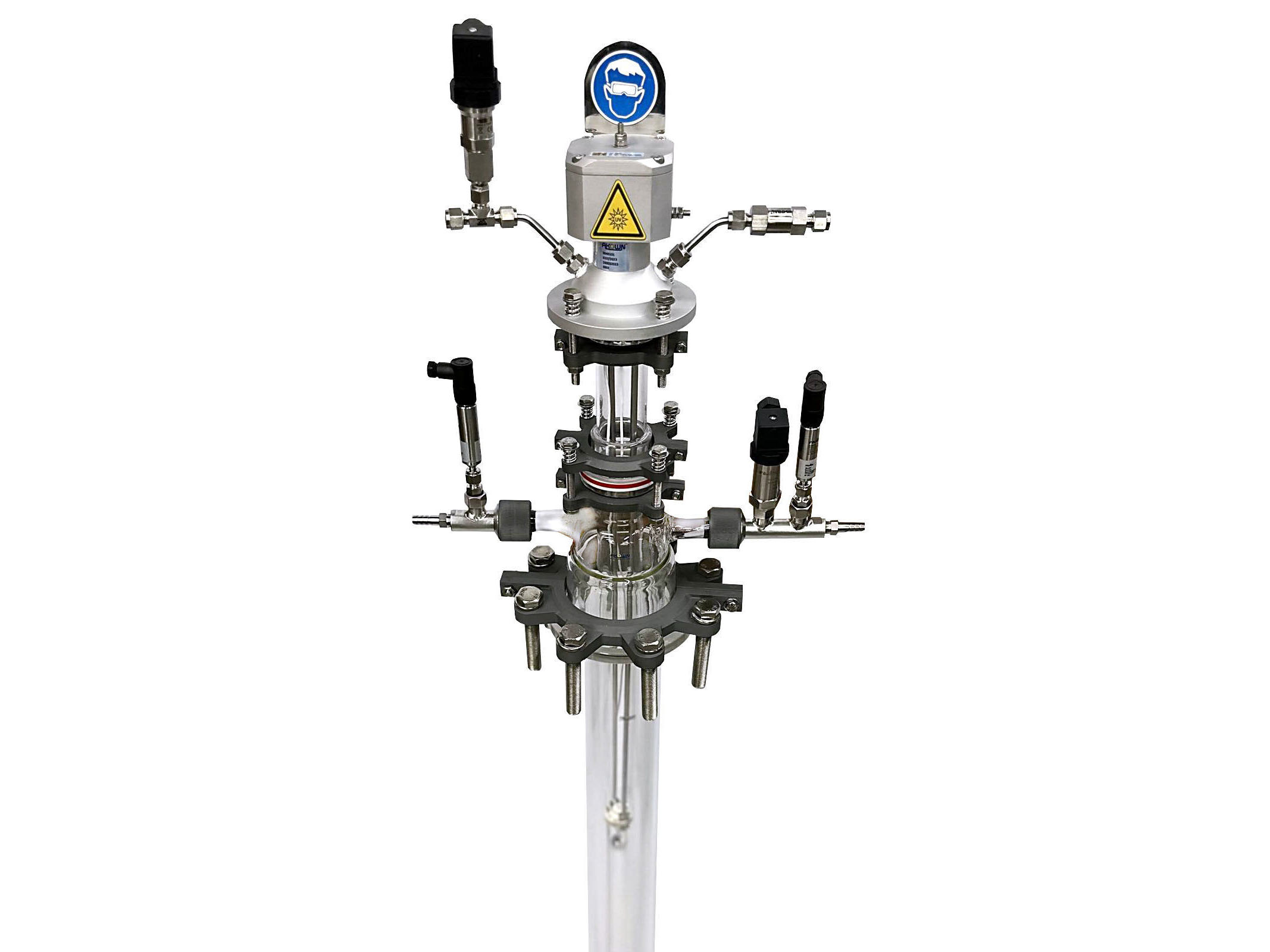
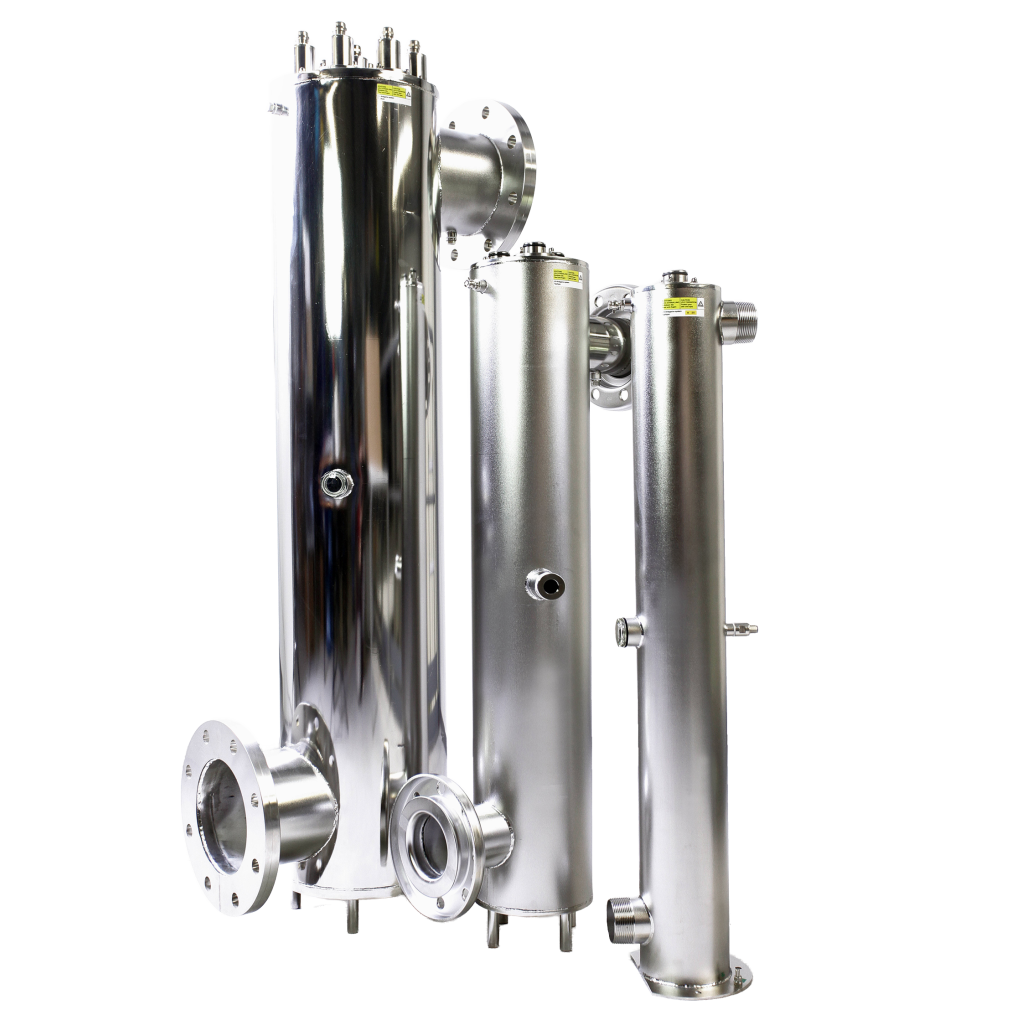
UV photolysis is an effective technology for reducing residual organic contaminants in high-purity water systems. High-energy UV radiation at 185 nm initiates photochemical oxidation reactions that break down dissolved organic molecules into smaller compounds and ultimately carbon dioxide and water.
As part of a multi-stage treatment process, UV photolysis helps achieve and maintain the extremely low TOC levels required by modern electrolysis systems.
Unlike chemical oxidation methods, UV treatment does not require the addition of reagents and can operate continuously within automated water treatment systems.
UV Solutions for Electrolysis Water Treatment
Why Water Quality Matters
The water requirements of electrolysis systems are significantly higher than those of conventional industrial processes. Feed water must meet strict purity specifications to prevent contamination of sensitive components.
Organic contaminants are especially problematic because they can contribute to:
- Membrane fouling
- Catalyst poisoning
- Biofilm formation
- Corrosion processes
- Reduced hydrogen purity
- Increased maintenance requirements
For this reason, Total Organic Carbon (TOC) is a critical parameter in electrolyzer water treatment systems.
Typical Integration in Electrolysis Water Treatment
A typical treatment train may include:
- Pretreatment filtration
- Activated carbon
- Reverse osmosis
- Electrodeionization (EDI)
- Ion exchange polishing
- UV photolysis for TOC reduction
- Final ultrapure water storage
UV systems are commonly installed downstream of primary purification technologies to remove remaining organic traces before the water enters the electrolyzer.
Supporting Reliable Hydrogen Production
As green hydrogen projects continue to scale globally, reliable water treatment becomes increasingly important. UV photolysis supports stable water quality, reduced operating risks and long-term electrolyzer performance.
Hoenle UV Disinfection provides UV technologies designed for integration into advanced water treatment systems supporting hydrogen production facilities worldwide.
Contact And Support
Do you have any questions or need support? We are happy to help you.