
Photolysis with UV Technology
What is Photolysis?
Photolysis describes the transformation or decomposition of chemical compounds through the absorption of light energy. In UV-based processes, high-energy ultraviolet radiation initiates chemical reactions that break down molecules or generate highly reactive species capable of further oxidation and degradation.
Depending on the wavelength used, UV photolysis can directly alter contaminants or trigger advanced oxidation processes that support the removal of organic compounds, trace contaminants and unwanted process residues.
For industrial water treatment and high-purity applications, UV photolysis is an established method for reducing Total Organic Carbon (TOC), controlling contaminants and improving overall process reliability.
How UV Photolysis Works
When molecules absorb UV radiation, chemical bonds can be broken or reactive intermediates can be formed.
Particularly UV wavelengths around 185 nm are widely used because they can initiate oxidation reactions and promote the formation of reactive species that help degrade dissolved organic compounds.
As a result, complex organic molecules are converted into smaller compounds and ultimately into carbon dioxide and water, reducing the organic load in the process stream.
This mechanism makes UV photolysis a valuable technology for applications where extremely high water purity or contaminant control is required.
Applications of Photolysis
UV photolysis is used across a wide range of industries where water quality, contaminant control and process stability are critical.
Industrial Applications
UV Photolysis for Water Treatment and High-Purity Processes
In industrial applications, photolysis is widely used to degrade organic contaminants and improve water quality. High-energy UV radiation, particularly at wavelengths of 185 nm and 254 nm, initiates oxidation reactions that break down dissolved organic compounds into smaller molecules and ultimately into carbon dioxide and water.
This process plays a key role in Total Organic Carbon (TOC) reduction, helping operators achieve the extremely low organic contamination levels required in many advanced manufacturing environments. Unlike conventional chemical oxidation methods, UV photolysis enables contaminant reduction without the addition of chemicals and can be integrated into continuous treatment systems.
As industrial processes become increasingly sensitive to trace contamination, UV photolysis has become an important technology for maintaining process stability, product quality and equipment reliability. Applications range from ultrapure water production and semiconductor manufacturing to battery production and green hydrogen generation.
Typical industrial photolysis applications include:
- TOC reduction in ultrapure water systems
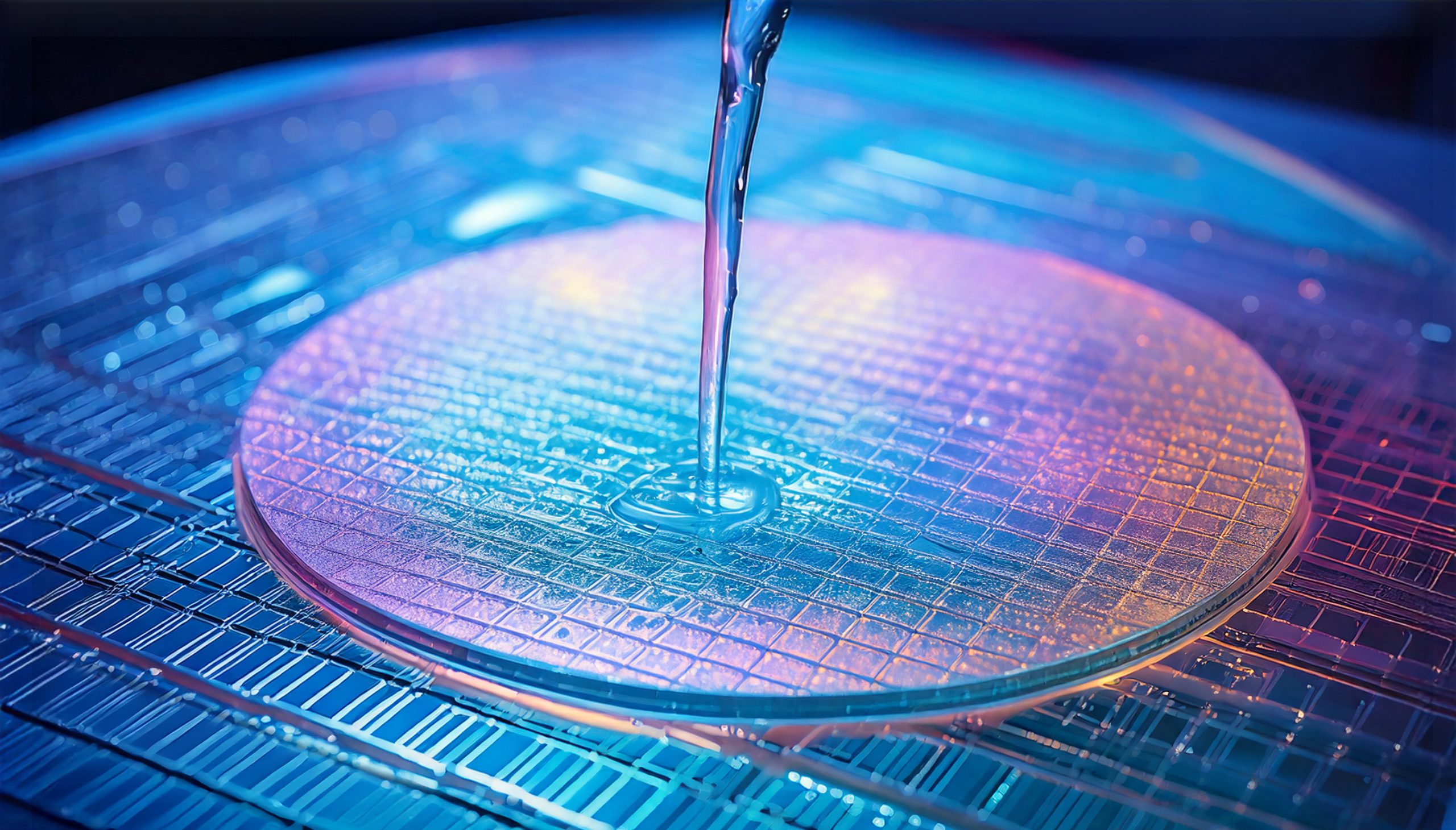
- Semiconductor manufacturing and wafer production
- Water treatment for hydrogen electrolysis
- Battery material and battery cell production
- Advanced oxidation processes (AOP)
- Process water polishing and reuse
Each application places specific demands on water quality, UV wavelength selection and reactor design. Dedicated application solutions help ensure reliable operation and compliance with increasingly stringent purity requirements.
Explore our industrial photolysis applications


Chemical Applications
Photochemistry – Chemical Reactions Driven by UV Radiation
Photolysis is the initiation of chemical reactions through the absorption of light. When molecules are exposed to ultraviolet (UV) radiation, the absorbed energy can break chemical bonds, trigger electron transfer processes or generate highly reactive intermediates such as free radicals. These reactions enable the selective modification of organic and inorganic compounds and are widely used in industrial chemical synthesis.
One important example is UV-initiated halogenation. During this process, UV radiation splits chlorine or bromine molecules into highly reactive radicals. These radicals subsequently react with organic compounds, replacing hydrogen atoms and forming chlorinated or brominated derivatives. Such reactions are essential in the production of pharmaceutical intermediates, vitamins, crop protection products and specialty chemicals.
The efficiency and selectivity of photochemical reactions depend heavily on the UV wavelength used. Modern UV systems therefore employ specifically designed lamp technologies, cooling mechanisms and reflective coatings to maximize useful radiation while minimizing unwanted heat generation. This enables controlled photolysis processes with high product yields and reproducible results.
Today, UV-driven photochemistry is an established technology for creating new molecular structures, optimizing synthesis routes and supporting sustainable chemical manufacturing processes.
Pharmaceutical Applications
UV Photolysis in Pharmaceutical Manufacturing
Photolysis is an important tool in pharmaceutical research and production, enabling highly selective chemical transformations that are difficult to achieve using conventional thermal or catalytic methods. By exposing molecules to specific UV wavelengths, chemical bonds can be selectively cleaved or rearranged, opening pathways for the synthesis of active pharmaceutical ingredients (APIs), intermediates and vitamin derivatives.
Examples include the production of steroid derivatives, hormone-related compounds, antiviral intermediates and vitamin D analogues. UV-induced reactions often provide superior selectivity and can reduce the number of synthesis steps required in complex manufacturing processes.
In pharmaceutical applications, process control is critical. Excessive heat can damage sensitive compounds and reduce product quality. Therefore, UV systems are designed to provide precise spectral output while minimizing unwanted infrared radiation through specialized lamp technologies, cooling gases and optimized reflector systems.
Beyond synthesis applications, UV photolysis also supports pharmaceutical water treatment systems by reducing organic contaminants and helping maintain the high purity standards required for pharmaceutical production environments.
As regulatory requirements and quality standards continue to increase, UV photolysis remains a valuable technology for both pharmaceutical manufacturing and high-purity utility systems.
Contact And Support
Do you have any questions or need support? We are happy to help you.