Coil Coating
Efficient Coil Coating with UV and LED-UV Curing
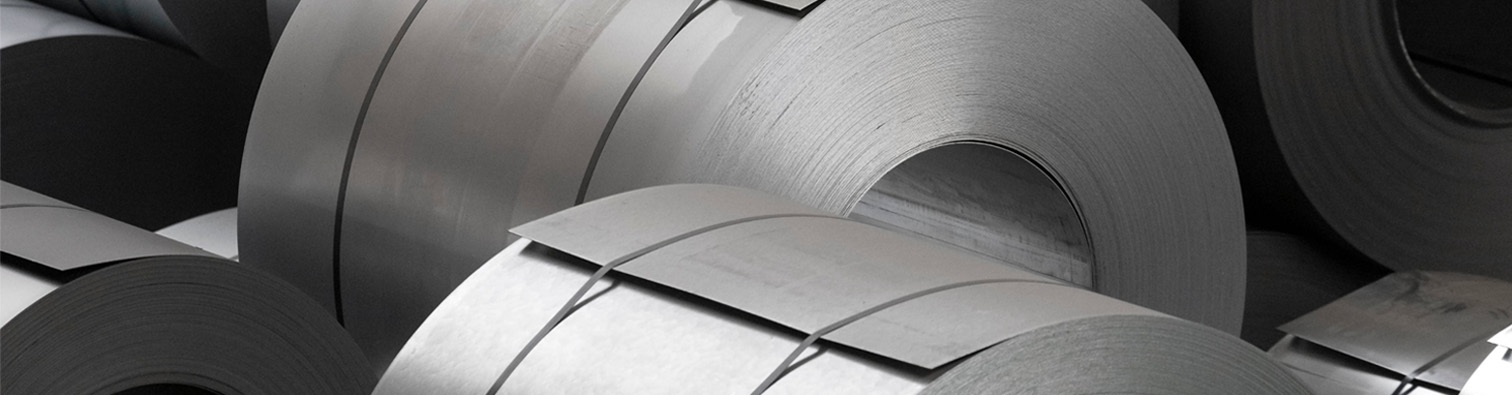
Those involved in coil finishing face the challenge of balancing high-quality surfaces, cost-effective processes, and increasingly stringent regulatory requirements. Curing via UV and LED-UV radiation offers a proven solution. It paves the way for coating systems that do not require thermal drying, while providing greater flexibility in terms of both processes and design.
Your benefits at a glance
- Solvent-free Coating Systems:
UV-curable coatings do not require solvents. This simplifies handling and storage, and eliminates the need for a drying process with exhaust air treatment—which makes the system design less complex (e.g., by allowing for a shorter overall length) and reduces costs. Furthermore, UV-curable coatings remove limitations regarding film thickness. - Low thermal load on the Substrate, reduced energy consumption, and lower CO2 emissions:
Curing takes place without the need for a conventional drying oven. Subsequent cooling of the coil is no longer required. This saves energy otherwise used for heating and cooling, and significantly reduces CO2 emissions. - Fast curing:
The coatings cure in fractions of a second and can be processed immediately. This allows for high web speeds and compact systems. LED-UV systems can also be switched on and off instantly and adjust their output to the demand - High-Quality, functional surfaces:
Scratch-resistant and chemically resistant, available in matte or glossy finishes with tactile effects. Rapid cross-linking enables the creation of robust surfaces with a wide range of design possibilities—from textures, raised lacquer layers, and decorative patterns to matte and super-matte effects. - Process reliability:
Curing results can be achieved reproducibly, tailored to the specific coatings being used. Appropriate measurement technology supports the monitoring of the UV dose during the ongoing process.
Driven by regulatory requirements
Stricter requirements regarding emissions, energy consumption, and water usage—such as those set out in the EU Industrial Emissions Directive—are increasing the pressure to rethink existing drying processes. Solvent-free, cold-curing methods address precisely these issues.
Key factors for implementation
The coating, radiation source, and system must be compatible. The choice between a conventional UV lamp, LED-UV, and—depending on the application—inert curing or excimer technology depends on the substrate, the coating system, and the desired surface effect. Light penetration depth is a particularly important factor, especially with pigmented or thick layers. It is therefore advisable to test materials and process parameters together at an early stage.
Application Laboratory
As a provider of integrated solutions, we test processes in our application laboratory under real conditions and develop the optimal combination of UV varnish, LED-UV curing, or IR and hot-air technologies for each requirement. This ensures reproducible results, high energy efficiency and maximum process stability – whether for flat decor panels, packaging or complex 3D objects.
Do you have any Questions?
Our team supports you with tailor-made solutions and in-depth expertise. Benefit from our experience and request your individual consultation.