
Ultraviolet Disinfection for Air, Water and Surfaces
log1 to log7
Ultraviolet disinfection is a chemical-free disinfection technology that uses UV-C radiation to inactivate microorganisms such as bacteria, viruses and fungi. Hoenle develops ultraviolet disinfection systems for industrial applications, enabling reliable ultraviolet disinfection of air, water and surfaces across a wide range of industries.
our expertise in uv solutions


What is Ultraviolet Disinfection?
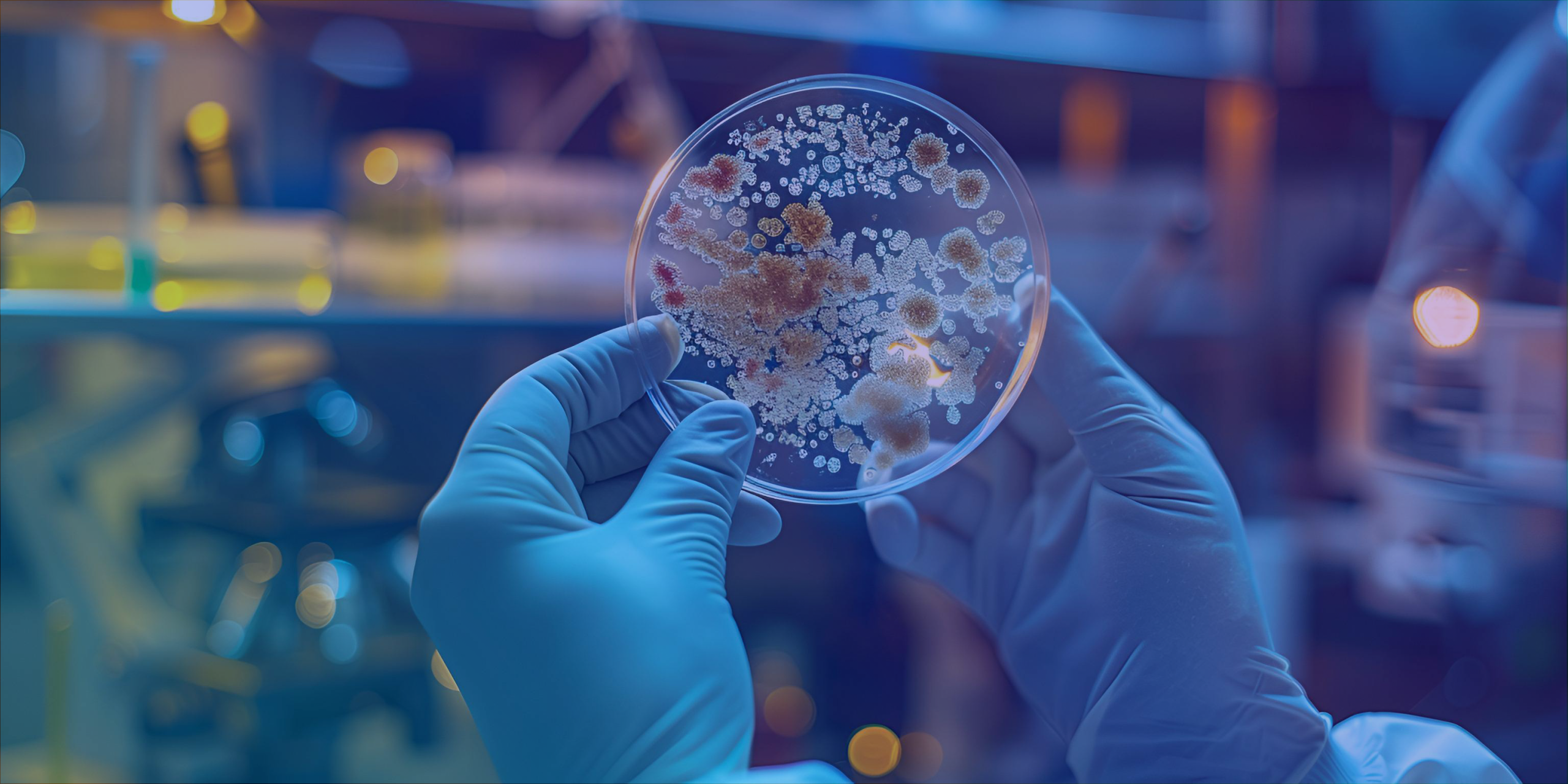
Ultraviolet disinfection refers to the use of UV-C light in the germicidal wavelength range to disrupt the DNA or RNA of microorganisms. This prevents them from reproducing and effectively neutralizes their ability to cause infection.
Unlike chemical methods, ultraviolet disinfection does not require additives and leaves no residues, making it a sustainable and efficient solution for industrial processes.
Benefits of Ultraviolet Disinfection
Ultraviolet disinfection systems offer several advantages for industrial applications where reliable, continuous and chemical-free microbial control is required.
-
Chemical-free process without residues
-
High efficiency against a broad spectrum of microorganisms
-
Low maintenance requirements
-
Scalable for different applications and system sizes
-
Environmentally friendly disinfection technology
Applications of Ultraviolet Disinfection
Ultraviolet disinfection is widely used in industrial environments where reliable microbial control is required across air, water and surfaces. Ultraviolet disinfection systems support continuous operations in industries with high hygiene and safety requirements.
Ultraviolet Air Disinfection
UV-C systems are used in HVAC systems and air handling units to reduce microbial contamination in circulating air.
Ultraviolet Water Disinfection
Ultraviolet disinfection systems for water treatment are commonly used in food and beverage, pharmaceuticals and municipal applications.
Surface Disinfection with UV-C
UV-C technology enables effective surface disinfection in controlled industrial environments such as cleanrooms and production facilities.
What is UV-C Radiation?
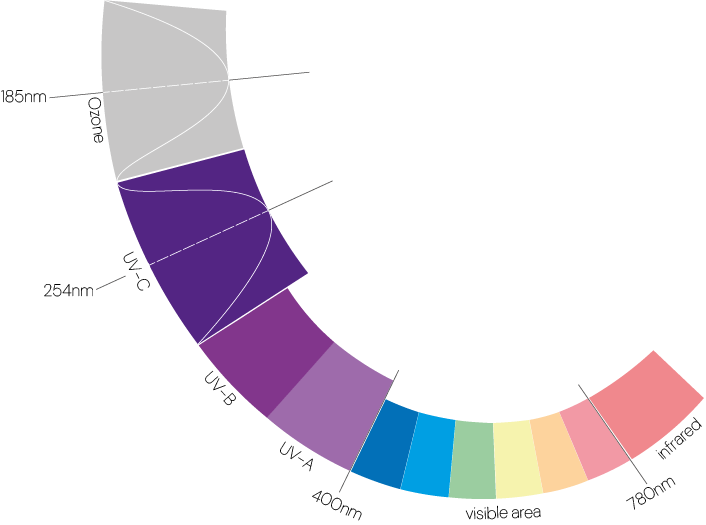
UV-C radiation is the core technology behind ultraviolet disinfection. It is a specific wavelength range of ultraviolet light used to inactivate microorganisms effectively.
It is part of natural sunlight and a powerful tool against microorganisms. It works physically by disrupting the DNA or RNA of bacteria, viruses and molds, preventing them from reproducing.
Why this matters for you
- Chemical-free & residue-free – safe for products and the environment
- Effective & reliable – protects your processes from contamination
- Versatile – applicable for air, surfaces, water and odor reduction
How UV-C Disinfection works
UV-C offers fast, safe and sustainable protection across your operations:
-
Kills Microorganisms – stops bacteria, viruses and molds from spreading
-
No Chemicals or Residues – purely physical process
-
Proven & Reliable – used worldwide in food, water, air and laboratory applications
Choose the right UV-C Technology
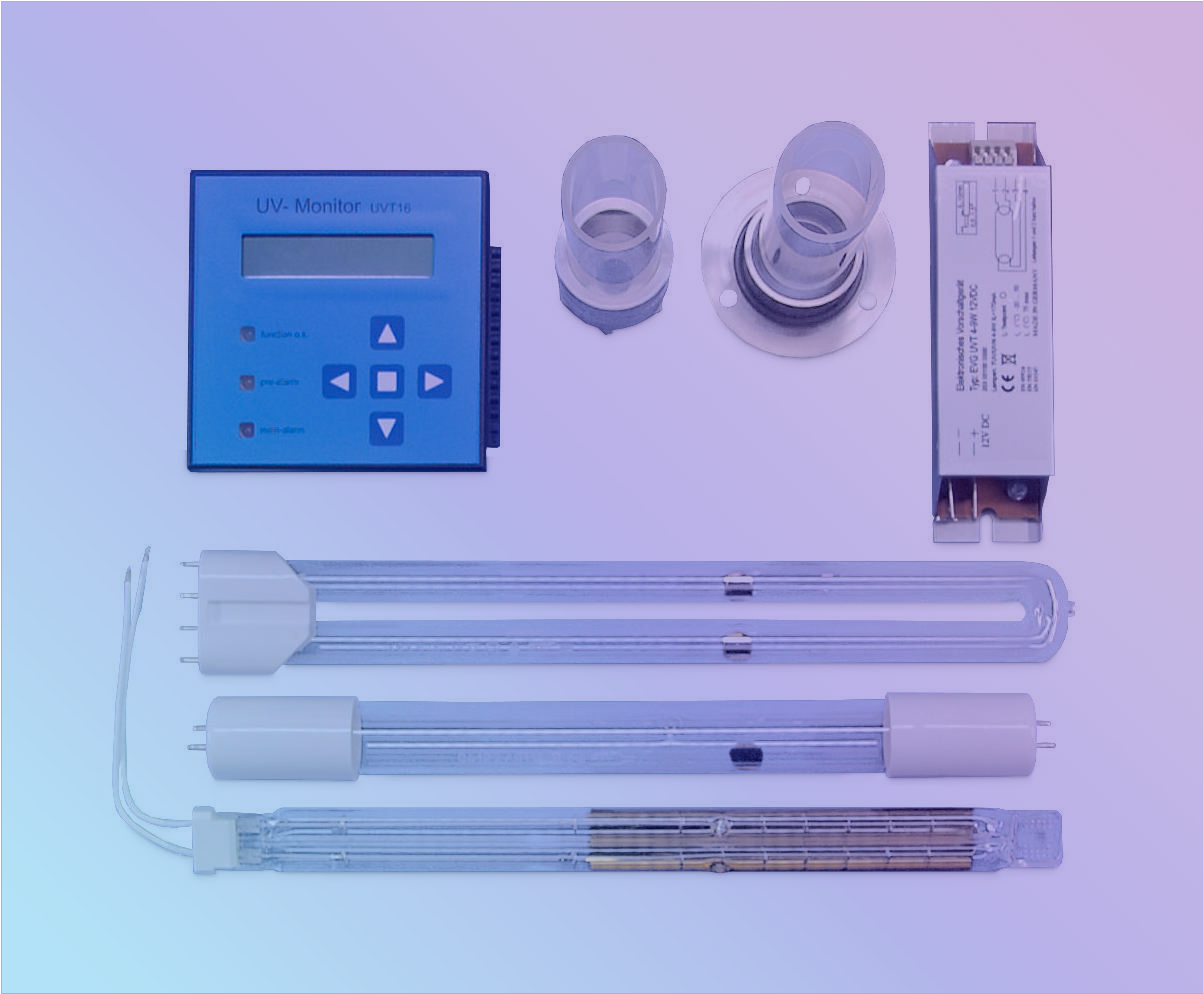
Hoenle provides solutions across the full UV spectrum, tailored to your needs:
-
Low Pressure (LP) – precise, efficient germicidal effect at 254 nm for controlled applications
-
Medium Pressure (MP) – high-intensity, broad-spectrum UV for fast treatment of large volumes
-
Pulsed Light (PL) – short, high-energy pulses for rapid surface and material disinfection
Your benefit: the optimal technology for your application, validated and safe.
Applications that deliver real benefits
-
Air Disinfection – reduce airborne pathogens and improve indoor air quality
-
Surface Disinfection – maintain hygienic, safe surfaces
-
Water Purification – ensure pathogen-free water for operations or production
-
Odor Elimination – efficiently remove odors caused by bacteria or materials
-
Room Air Drying – support hygiene and operational efficiency in sensitive environments
-
Components & Custom Solutions – high-quality UV modules integrated seamlessly into your processes
-
Laboratory Services – expert testing, validation, and process optimization to ensure reliable results
Customer Benefit: maximum hygiene, safe products, operational efficiency and peace of mind.
Contact And Support
Do you have any questions or need support? We are happy to help you.
Explore our full Product Portfolio





FAQ's
UV-C radiation - the shortest wavelenghts with maximum effect
UV-C light covers the shortest ultraviolet range (100–280 nm). Thanks to the intact ozone layer, this high-energy radiation is naturally filtered and does not reach the Earth’s surface.
Unlike UV-B, which penetrates deeply into the skin, no proven causal link between UV-C exposure and skin cancer has been found. Still, UV-C must always be applied under controlled conditions for safety.
The dose principle: Time x Intensity = Effectiveness
The effectiveness of UV-C disinfection depends on two factors: exposure time and light intensity. The product of both is expressed as mWs/cm².
Microorganisms with simple structures (e.g. bacteria) can be deactivated with a low dose, while more complex organisms such as fungi and spores require higher energy levels.
Your benefit: By adjusting the UV dose, you gain full control over disinfection performance – tailored exactly to your process needs.
Safe, reliable & chemical-free?
Hoenle UV-C lamps operate mainly at 254 nm and 185 nm – except for pulsed light. For food applications, only ozone-free emitters are used to guarantee safe and residue-free disinfection.
A major advantage of UV-C disinfection: microorganisms cannot develop resistance. It remains effective even when bacteria or viruses are resistant to alcohol, antibiotics, or other conventional methods.
Your benefit: With decades of expertise, reliable technology, and proven UV-C dosing, you can achieve consistent results – whether against E. coli, SARS, Legionella, or mold.
UV-C technology is scientifically validated and recognized in international standards:
-
Water disinfection: Certified according to DVGW and Austrian Standard
-
Air handling systems: Regulated by VDI 6022
 Safety note: UV-C radiation must be applied with shielding, as direct exposure can cause skin redness or eye irritation. Standard window glass and most plastics block UV-C light.
Is UV-C safe for my team?
Yes – Hoenle solutions are designed with shielding and automated controls to protect people while disinfecting effectively.
Will UV-C affect my products?
No – UV-C is purely physical and leaves no chemical residues or taste.
Can microorganisms develop resistance to UV-C?
No – the physical action of UV-C prevents any resistance from developing.
Where can ultraviolet disinfection be applied?
Air, surfaces, water and odor management – wherever hygiene is critical.
How do I choose the right UV-C technology?
Our experts guide you: Low Pressure for precision, Medium Pressure for high-intensity and Pulsed Light for fast surface treatment.
Ultraviolet Disinfection VS Chemical Disinfection
Ultraviolet disinfection and chemical disinfection are two widely used methods for microbial control in industrial applications. While both approaches aim to inactivate microorganisms such as bacteria, viruses and fungi, they differ significantly in their mechanism, operational requirements and environmental impact.
Ultraviolet disinfection uses UV-C radiation to damage the DNA or RNA of microorganisms, preventing them from reproducing. In contrast, chemical disinfection relies on substances such as chlorine or other disinfectants to achieve microbial inactivation through chemical reactions.
Key Differences
Mechanism of Actions
-
Ultraviolet disinfection: Uses UV-C light to inactivate microorganisms physically by disrupting their genetic material.
-
Chemical disinfection: Uses reactive chemicals to destroy or deactivate microorganisms through oxidation or other chemical processes.
Chemical Usage
-
Ultraviolet disinfection: Chemical-free process, no additives required.
-
Chemical disinfection: Requires continuous supply, storage and handling of disinfectants.
Residues and By-Products
-
Ultraviolet disinfection: Leaves no chemical residues or by-products.
-
Chemical disinfection: May produce residues or secondary compounds that require further treatment.
Operational Safety
-
Ultraviolet disinfection: Requires proper shielding and system design but minimizes exposure to hazardous substances.
-
Chemical disinfection: Involves handling potentially hazardous chemicals, requiring strict safety measures.
Maintenance and Operation
-
Ultraviolet disinfection: Typically low maintenance with periodic lamp or component replacement.
-
Chemical disinfection: Requires ongoing monitoring of chemical concentration and replenishment of consumables.
Environmental Impact
-
Ultraviolet disinfection: Environmentally friendly, as it does not introduce chemicals into the process.
-
Chemical disinfection: Can have environmental implications due to chemical usage, storage and disposal.
When to Use Ultraviolet Disinfection
Ultraviolet disinfection is particularly suitable for applications where:
-
Continuous, chemical-free disinfection is required
-
No residues are allowed (e.g. food, beverage, pharmaceutical industries)
-
Water, air, or surfaces must be treated without altering their composition
-
High hygiene standards must be maintained in controlled environments such as cleanrooms or production facilities
Conclusion
Ultraviolet disinfection provides a reliable, efficient and chemical-free alternative to traditional chemical disinfection methods. While chemical disinfection remains suitable for certain applications, UV-C based ultraviolet disinfection systems are increasingly preferred in industries that require sustainable, residue-free and low-maintenance solutions for microbial control.